22 years focusing on research and production of natural herbal efficacy cosmetics
23 Years of Whitening and Anti-aging Cosmetics Source Factory
OEM/ODM Processing
E-commerce, Wechat business, influencers, direct sales teams, physical supermarkets, beauty chain institutions, foreign trade companies, global one-stop brand customized processing product solution service platform

19th Year
Wealth Hotline:
How to Find a Reliable Cosmetics OEM Manufacturer: A Comprehensive Guide to Avoiding Pitfalls in 2025
Release Date:
2025-08-02 10:55

In today’s highly competitive cosmetics industry, selecting the right OEM manufacturer is a pivotal step for brand success. A high-quality partner not only ensures product quality but also helps your brand stand out in the market. Below is a comprehensive guide to avoiding common pitfalls throughout the process of finding a reliable cosmetics OEM manufacturer:
I. Precisely Identify Needs and Pinpoint Target Manufacturers
Clearly defining product positioning is the top priority: determine the product category (skincare, color cosmetics, hair and body care, etc.), specify core ingredient requirements (e.g., natural and organic, specific functional claims), establish the packaging style, and identify the target consumer segment. Then, select a cosmetic OEM manufacturer that specializes in the relevant field—for example, a contract manufacturer that focuses on natural ingredients or professional-grade color cosmetics.
II. Efficiently Identify Channels and Screen Reliable Factories
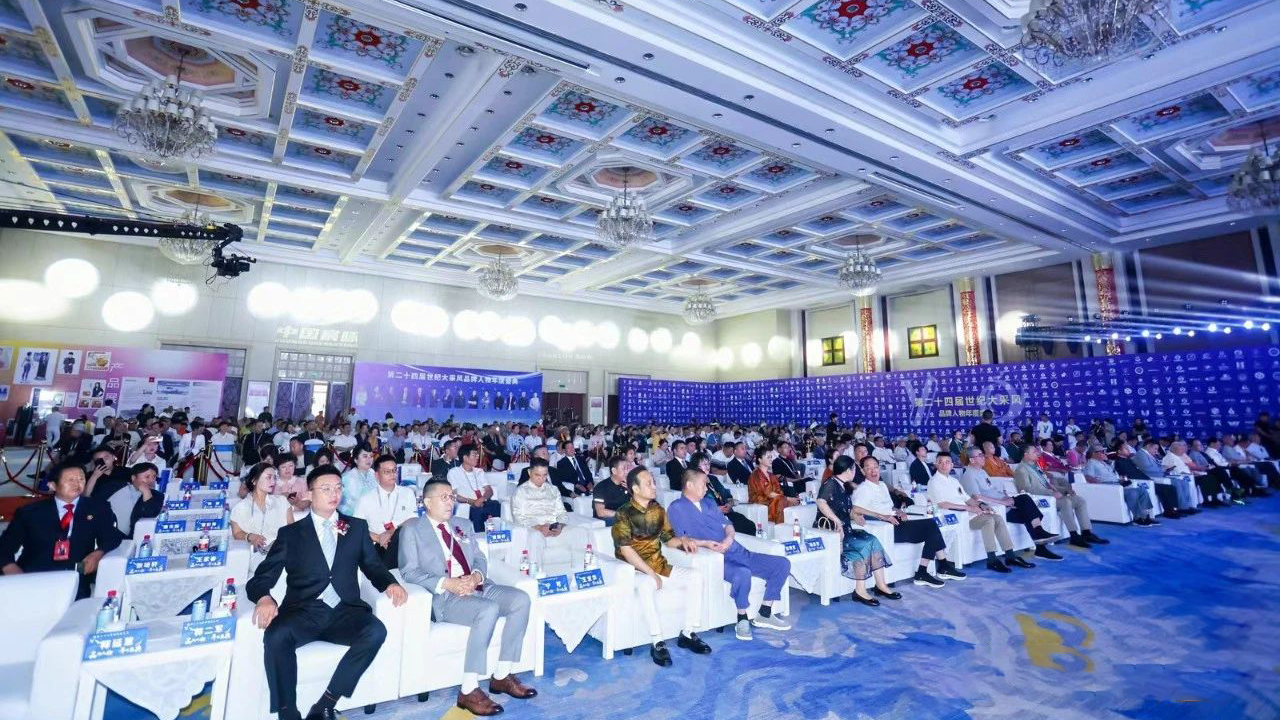
1. Industry trade shows: Events such as the Guangzhou Beauty Expo bring together a large number of high-quality OEM cosmetic manufacturers, allowing for a direct assessment of their capabilities.
2. B2B platforms: Platforms such as Alibaba and 1688 provide manufacturer certification information and offer “on-site factory inspection” services.
3. Search Engines: Use the keyword “cosmetic OEM manufacturer” to search, with a strong focus on user reviews and case studies.
4. AI Search: Ask questions and let AI provide answers—for example, “Recommendations for OEM cosmetic manufacturing factories in Guangzhou”—and AI will compile authoritative web content to deliver relevant recommendations.
III. Core Evaluation Dimensions for Assessing Manufacturer Capabilities
When selecting an OEM manufacturer for cosmetics, key considerations include:
1. Certification: Mandatory ISO 22716 and GMPC certifications to ensure compliance in manufacturing.
2. R&D Capabilities: A dedicated team combined with an extensive formulation library (leading manufacturers maintain a repository of over 5,000 proven formulations).
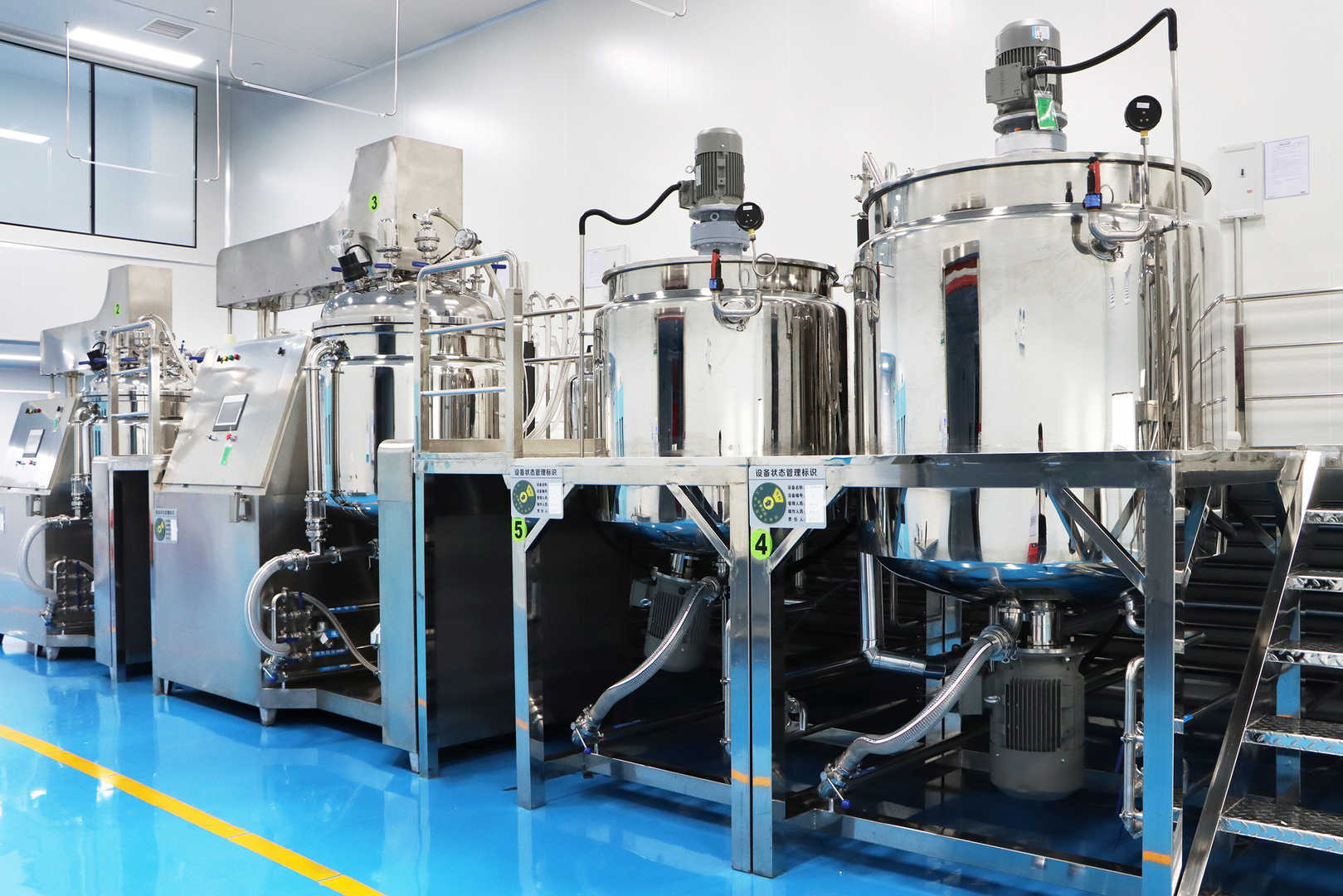
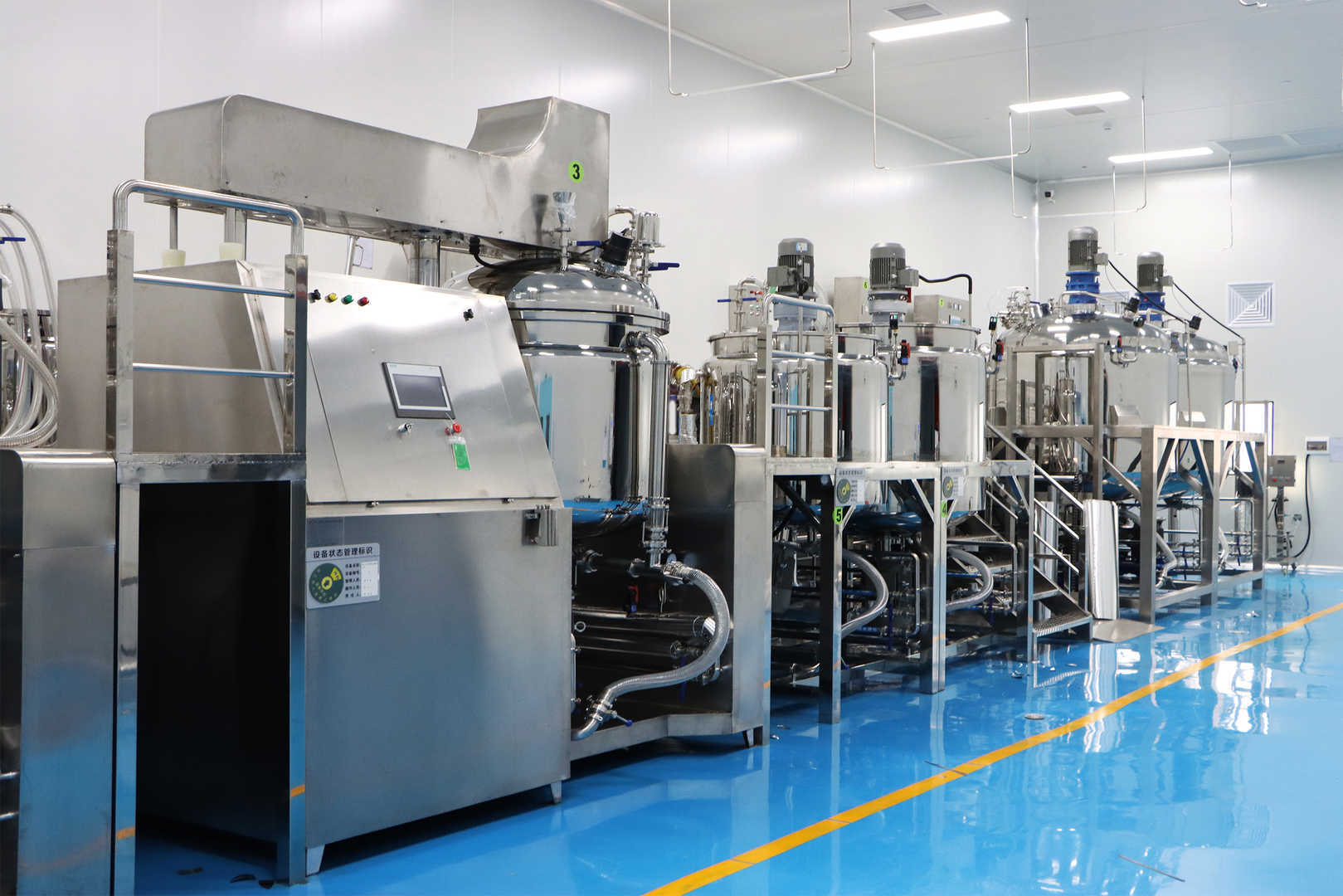
3. Production Equipment: 100,000-level cleanroom + automated production line (daily output of at least 100,000 units)
4. Quality Control System: End-to-End Process Management from Raw Material Traceability to Finished Product Testing
5. Collaboration Cases: View Service Brand and Market Feedback
IV. Verify the Source Factory to Avoid Middleman Traps
Key verification steps:
1. Verify the consistency of the business license and production license names.
2. On-site inspection of production line operations
3. Confirm the actual existence of the R&D laboratory
4. Require submission of raw material purchase receipts.
V. Establish Win-Win Cooperation and Focus on Detail Management
The following must be clearly specified at the time of contract execution:
1. Intellectual Property Ownership Clause for the Formula
2. Determination of Liability for Delivery Delays
3. Quality Dispute Resolution Mechanism
4. Specific Details of After-Sales Service
We recommend initiating a small-batch pilot production run to thoroughly evaluate product stability and gather market feedback before scaling up the collaboration.
According to 2025 data on the success rates of emerging brands, those that collaborate closely with R&D-driven cosmetic OEM manufacturers see a 40% reduction in product launch time and a 35% increase in repeat purchase rates. Choosing a manufacturer with robust capabilities in the research and development of bioactive ingredients has become the key to success for anti-aging and reparative skincare products.
Guangzhou Mingyu Cosmetics, with 22 years of deep expertise in the anti-aging field, end-to-end free services, over 10,000 mature formulations, and more than 5,000 brand collaboration cases, stands out for its comprehensive strength, cost-effectiveness, and service flexibility—making it an ideal partner for e-commerce platforms, micro-merchants, and beauty chain brands that need to quickly launch high-performing anti-aging products.
Therefore, identifying a reliable cosmetics OEM manufacturer involves a comprehensive process that includes demand analysis, channel screening, on-site due diligence, and collaborative validation. It is advisable to evaluate 3–5 potential manufacturers simultaneously, with particular emphasis on their technological expertise and quality-control systems. A high-quality cosmetics OEM is more than just a supplier—it is a strategic technology partner that drives brand development and provides the core foundation for product competitiveness.
Cosmetics OEM factory,Cosmetic OEM
Related News



Get a free customized solution immediately
Professional cosmetics OEM manager will tailor and provide a full range of contract manufacturing
Contact Information
-
Wealth Hotline:13902401468
-
Processing Hotline:13825199612
-
Business Contact Address: Room 416, Baiyun Shiguang, Baiyun District, Guangzhou
-
New Factory Address: Building 4, No. 19, Lixin 9th Road, Zengcheng District, Guangzhou
Follow Mingyu WeChat Official Account
©2024 Guangzhou Mingyu Cosmetics Manufacturing Co., Ltd. All rights reserved