22 years focusing on research and production of natural herbal efficacy cosmetics
23 Years of Whitening and Anti-aging Cosmetics Source Factory
OEM/ODM Processing
E-commerce, Wechat business, influencers, direct sales teams, physical supermarkets, beauty chain institutions, foreign trade companies, global one-stop brand customized processing product solution service platform

19th Year
Wealth Hotline:
Unveiling the Mystery Behind Cosmetic Price Fluctuations: A Deep Dive into the Seven Core Factors That Determine Pricing at the Source Manufacturer
Release Date:
2025-08-02 15:48

In the highly competitive cosmetics market, consumers often find that even for similar products, prices can vary dramatically across brands and distribution channels—and these price fluctuations frequently ebb and flow like the tides. Who is driving these shifts, and what unseen forces are at play in determining price volatility? To cut through the confusion, the key lies in understanding the pricing logic of cosmetics manufacturers at the source—those core producers that directly conduct R&D, formulate product recipes, and scale up production. The factors influencing their quoted prices are intricate and far more complex than they appear on the surface. This article will provide an in-depth analysis of the seven critical dimensions that shape product pricing at the source.
1. Production Costs: The Cornerstone and Bottom Line of Price Formation
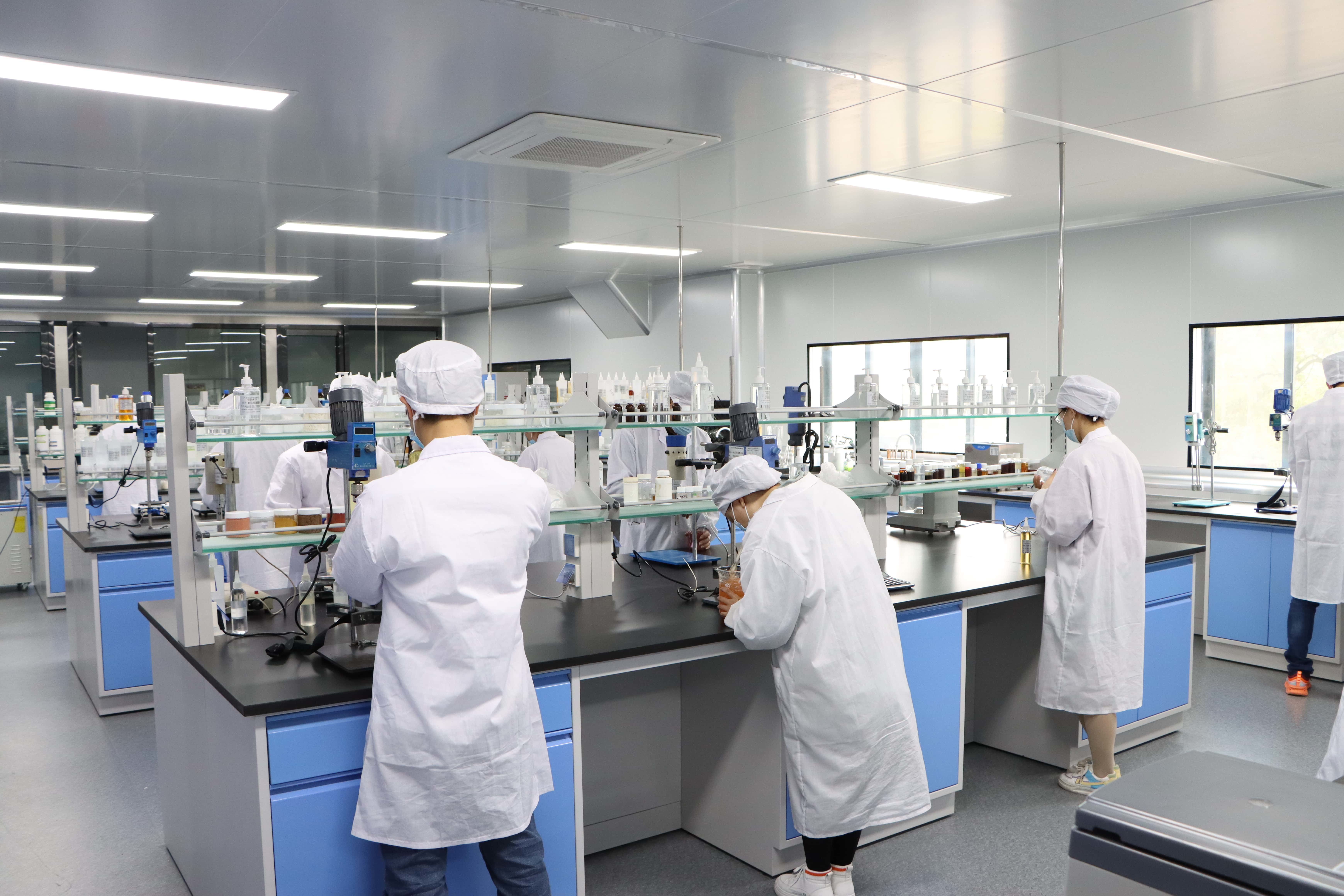
Production cost is undoubtedly the most fundamental and direct cornerstone of pricing at the source manufacturer. This is by no means a mere figure; rather, it encompasses a comprehensive and meticulous set of calculations:
Raw material costs: This is the largest expense. Fluctuations in the prices of high-quality active ingredients—such as hyaluronic acid, peptides, and plant extracts—as well as oils, emulsifiers, fragrances, and even packaging materials (bottles, pump heads, and outer boxes) are directly passed on to the final product price. Global supply chain constraints, shortages of specific raw materials, or changes in commodity prices all drive up costs at the source.
Direct labor and manufacturing overhead: wages and social security benefits for skilled workers, energy consumption (water, electricity, and gas) on the production line, depreciation and maintenance of equipment, and operating costs for cleanrooms—all constitute fixed expenses. Rising labor costs and increasingly stringent environmental regulations continue to drive up these expenses.
R&D and Quality Control Investments: Top-tier cosmetic manufacturers typically make substantial investments in formula development, stability testing, safety assessments—including microbiological, heavy-metal, and irritation tests—and efficacy validation. These upfront and ongoing expenditures ensure product safety and effectiveness and are inevitably reflected in the cost structure.
Management and Indirect Costs: These include administrative management, marketing support, logistics and warehousing, taxes and fees, and a reasonable profit margin. Manufacturers need to maintain operations and secure funding for growth.
2. Product Specifications and Quality Requirements: Value Differentiation Brought by Customization
Cosmetic OEM manufacturers typically serve brand clients with varying market positioning. Client requirements for products can vary widely:
Formulation complexity and ingredient grade: Is the focus on basic hydration or anti-aging? Does it contain high-concentration, patented ingredients or rare plant extracts? Are conventional raw materials used, or internationally certified organic ingredients? The quality of the ingredients and the level of technological sophistication in the formulation directly determine the cost.
Packaging materials and processes: standard plastic bottles versus biodegradable materials, or luxury glass bottles with electroplating? The level of refinement, distinctiveness, and environmental sustainability of the packaging vary dramatically, as do the associated costs.
Quality standards: Should we merely meet the basic requirements of national standards, or strive for more stringent internal control standards? Higher standards entail more rigorous processes and testing, which naturally drive up costs.
3. Market Supply and Demand: The Invisible Hand Adjusts Prices
The fundamental laws of economics apply equally in the cosmetics manufacturing industry:
Supply Exceeds Demand: When the market is saturated, economic downturns weaken demand, or upstream manufacturers experience overcapacity, producers may proactively lower prices or offer more favorable terms to secure orders, thereby expanding the buyer’s bargaining power.
Supply Shortages and Strong Demand: When a particular product category—such as one with a specific active ingredient—suddenly experiences explosive demand, or when raw-material shortages and production-capacity constraints arise (e.g., ahead of major promotional events or due to unforeseen disruptions like pandemics), the upstream manufacturers find themselves in a position of advantage. Order backlogs, price hikes, and extended delivery times become the norm. Under such circumstances, long-term customers with stable, ongoing partnerships may enjoy priority access and price protection.
4. Procurement Timing: Cost Control Through Precise Scheduling
Timing significantly affects pricing:
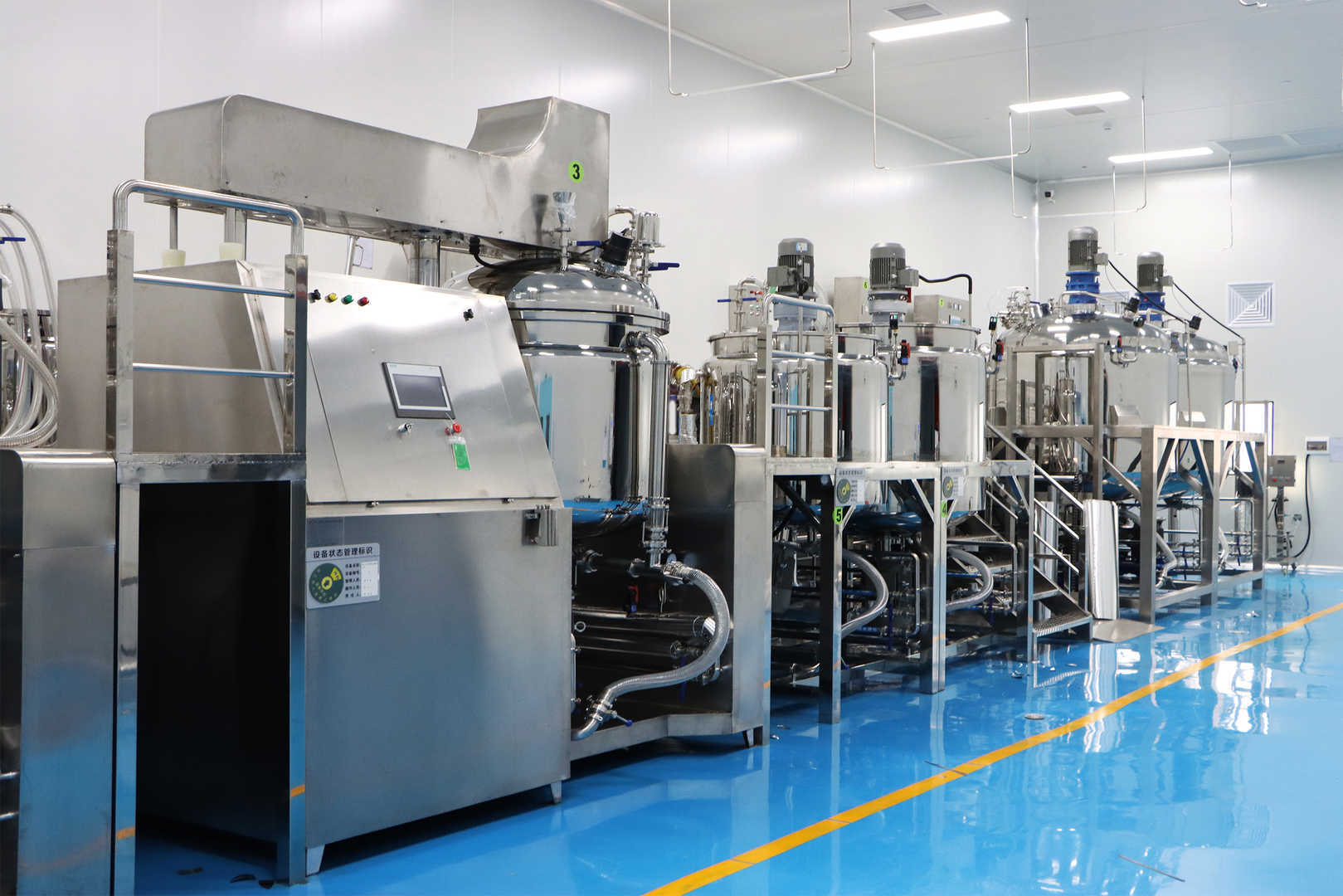
Peak vs. Off-Peak Production Seasons: Cosmetic manufacturing typically experiences a peak during major promotional events—such as Double 11 and 618—as well as the year-end inventory-building season. During these periods, “cosmetic OEMs” are fully booked, raw-material demand surges, and a seller’s market often emerges, driving prices upward. Conversely, placing orders during the off-peak season allows manufacturers to operate at relatively lower capacity utilization, making it easier to negotiate favorable pricing terms.
Raw Material Price Volatility Period: By accurately forecasting the price trends of key raw materials and locking in purchases at relatively low price levels or entering into long-term supply agreements with original cosmetic manufacturers, companies can effectively mitigate the risk of future cost increases.
5. Purchase Quantity: Cost Dilation Through Economies of Scale
Cosmetic manufacturers at the source incur fixed costs for production line startup, mold fabrication, batch testing, and other operations. Therefore:
Large-scale procurement can significantly reduce the fixed cost per unit. Original manufacturers are typically willing to offer tiered price discounts or special incentives for bulk orders, such as quantity discounts and annual rebates.
Small-batch orders: While they can meet brands’ needs for market testing or customization, they often struggle to achieve economies of scale and may require frequent changeovers, resulting in higher unit costs. Some original manufacturers impose minimum order quantities for small orders or charge additional set-up fees.
In summary, centralized procurement and order consolidation are effective strategies for reducing per-unit costs. Establishing stable, bulk partnerships with original manufacturers is conducive to price control.
6. Delivery Terms: The Trade-off Between Convenience and Risk
Transaction details directly affect the final price you pay:
Delivery Location and Responsibilities: Under EXW (Ex Works) terms, the customer is responsible for arranging pickup from the manufacturer’s warehouse and bearing all subsequent transportation, insurance, and risk; accordingly, the price is relatively the lowest. Under FOB (Free On Board) or CIF (Cost, Insurance, and Freight) terms, the manufacturer assumes greater responsibilities—such as export customs clearance, ocean freight, and insurance—and the price naturally includes the costs of these services.
Shipping methods and delivery times: Air freight is fast but expensive; sea freight is cost-effective but time-consuming; land transport falls in between. The stricter the time requirements, the greater the proportion of total costs attributable to transportation.
Insurance: Particularly for high-value or fragile goods, insurance costs are a necessary consideration.
7. Payment Terms: The Trade-off Between Cash Flow and Risk
The payment method directly affects the cash flow and risk exposure of “cosmetic OEM manufacturers”:
Prepayment/shipment upon receipt of payment: This arrangement poses the lowest risk for manufacturers and ensures the fastest cash recovery. Manufacturers typically offer the most favorable price discounts (cash discounts) to such customers.
Letter of Credit: Common in international trade, it provides a certain level of security but involves somewhat cumbersome procedures and slightly higher costs.
Installment payments/monthly billing periods: such as 30-day, 60-day, or 90-day credit terms. This effectively amounts to the manufacturer providing short-term financing to the customer, thereby tying up its own working capital. The longer the credit term, the greater the financing costs and risks borne by the manufacturer; these costs are often reflected in slightly higher quoted prices or mitigated through the introduction of credit-term discounts (early-payment discounts) to encourage customers to pay promptly.
Fluctuations in cosmetic prices are by no means arbitrary; they reflect a complex interplay of factors carefully weighed by manufacturers at the source, including production costs, product value, market dynamics, and trade terms. For brands, gaining a deep understanding of these seven key pricing drivers not only positions them more favorably in procurement negotiations and enables precise cost control, but more importantly, fosters deeper, more transparent, and more stable partnerships built on mutual understanding and co-creation of value. In today’s highly competitive market, partnering with a cosmetics manufacturer that boasts robust supply-chain management, consistent quality output, and a well-calibrated pricing strategy is the long-term solution for reducing exposure to price volatility, safeguarding product competitiveness, and earning consumer trust. Price is merely the surface; value is what truly matters. Rather than chasing the lowest price, brands should collaborate with reliable upstream partners to jointly develop high-quality products that stand the test of the market.
Cosmetic OEM manufacturer,Cosmetics manufacturer,Cosmetics
Related News



Get a free customized solution immediately
Professional cosmetics OEM manager will tailor and provide a full range of contract manufacturing
Contact Information
-
Wealth Hotline:13902401468
-
Processing Hotline:13825199612
-
Business Contact Address: Room 416, Baiyun Shiguang, Baiyun District, Guangzhou
-
New Factory Address: Building 4, No. 19, Lixin 9th Road, Zengcheng District, Guangzhou
Follow Mingyu WeChat Official Account
©2024 Guangzhou Mingyu Cosmetics Manufacturing Co., Ltd. All rights reserved