22 years focusing on research and production of natural herbal efficacy cosmetics
23 Years of Whitening and Anti-aging Cosmetics Source Factory
OEM/ODM Processing
E-commerce, Wechat business, influencers, direct sales teams, physical supermarkets, beauty chain institutions, foreign trade companies, global one-stop brand customized processing product solution service platform

19th Year
Wealth Hotline:
What does cosmetic OEM/ODM business entail? And what specific production processes are involved?
Release Date:
2025-08-16 17:02

Data shows that more than 4,000 compliant factories nationwide now offer end-to-end solutions for brands across various channels and market segments. For start-up teams with limited capital and little manufacturing experience, it’s often more efficient to outsource specialized tasks to professionals rather than building their own production facilities. Below, we’ve compiled a summary for you. Cosmetic OEM Ten key steps to help brands avoid common pitfalls.
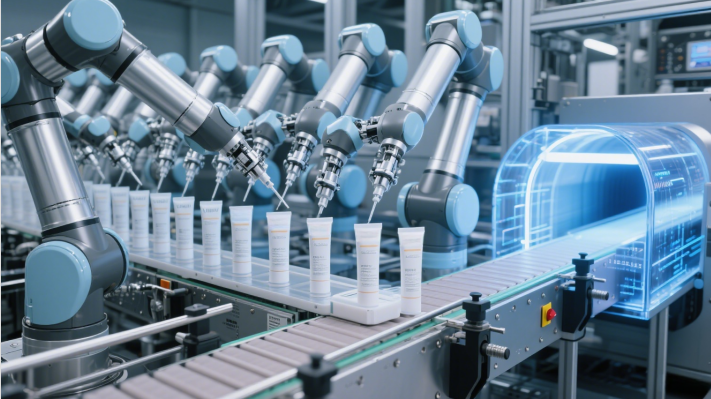
I. Preliminary Communication: Clearly Define the Requirements
When a customer first engages with a factory, they must clearly define the “three key elements”: company qualifications, sales channels, and expected scale. Experienced Cosmetic OEM Companies typically offer upstream services such as company registration, trademark application, and packaging design. At the same time, brand owners should proactively communicate their target price point, competitive benchmarking, and core selling points.
II. On-site Inspection: Seeing is Believing
No matter how comprehensive the online documentation may be, nothing can replace an on-site factory audit. Brands are encouraged to schedule a visit in advance and focus their inspection on the emulsification workshop, filling workshop, quality control center, and sample retention room. Reputable cosmetic OEM manufacturers will arrange dedicated transportation and provide detailed briefings on relevant system documents such as ISO 22716 and GMPC, ensuring a smooth subsequent audit and seamless product registration process.
III. Market Positioning: Enable Products to Attract Traffic Naturally
The factory’s R&D team collaborates closely with brands: first defining the target consumer persona, then working backward to determine the optimal active ingredients, skin-feel preferences, and fragrance trends. For example, in response to the Gen Z “morning C, evening A” skincare concept, the factory can swiftly deliver a formulated blend featuring 3% ethyl ascorbic acid and 0.3% retinol encapsulated microspheres—balancing gentle efficacy with high performance.
IV. Sample Production: Details Determine Repeat Purchases
The standard procedure is to first ship a commercially available, fully developed formulation for the client’s evaluation; if customization is required, the sample-production process is initiated. The sample-production cycle typically takes 3–7 business days and involves signature approval from the director, the sales representative, and the finance department. Upon receipt of the sample, the brand must complete a three-dimensional assessment—covering stability, skin feel, and fragrance—and provide written feedback with revision recommendations within 7 days, in order to avoid repeated adjustments that could delay the product launch schedule.
V. Contract Execution: Embed Risks in the Contract Terms
Reputable cosmetic OEM manufacturers provide three key documents: the Contract for Commissioned Processing, the Quality Agreement, and the Confidentiality Agreement. Brand owners typically place particular emphasis on issues such as ownership of the formulation, the traceability rate of raw materials, the delivery lead time, and the standards for quality-related compensation. The deposit typically ranges from 30% to 50%, with the exact percentage depending on the order volume and the procurement cycle for packaging materials.
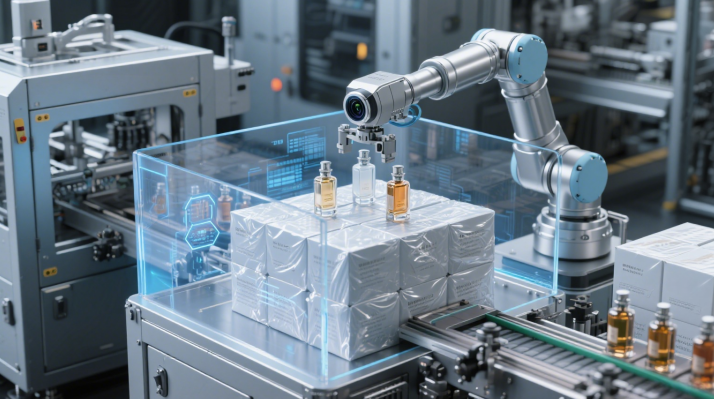
VI. Packaging Material Procurement: Concurrent Processing Can Reduce Lead Time by 15%
Many startup teams overlook the importance of advancing packaging material procurement, resulting in delays in securing materials for mass production. A general rule of thumb is to initiate sampling of bottles, pumps, and color boxes on the same day the contract is signed. If you partner with a long-term packaging supplier, you can share molds, reduce minimum order quantities, and shorten the overall lead time by 5–7 days.
VII. Production Scheduling: Flexibility Even for Small Batches
Class 100,000 cleanrooms typically operate under a “daily clearance” system: materials are issued, production is carried out, and the facility is cleaned and cleared on the same day. If a brand orders only 3,000 bottles in the first batch, the manufacturer can achieve flexible scheduling by sharing production lines; however, a premium of 10%–15% must be accepted to offset losses incurred from line changeovers, cleaning, and validation.
VIII. Quality Inspection and Acceptance: It’s More Than Just Retaining Samples
The standard procedure includes: raw material COA review, rapid microbial testing of semi-finished products, temperature- and cold-resistance cycling tests for finished products, and third-party reports from PONY Testing or SGS. For each batch, 48 sample bottles are retained—divided into two control groups stored at ambient temperature and under light exposure—and maintained for six months beyond the shelf life to ensure full traceability for after-sales service.
9. Logistics and Shipping: Last-Mile Delivery Can Also Be Outsourced
Cosmetic OEM Factories typically enter into monthly settlement agreements with SF Express, JD.com, and Deppon Logistics, which allow them to advance freight charges and support phased warehouse deliveries as well as drop-shipping for individual items. Brand owners only need to input the delivery address in the system backend, and a shipment tracking number will be generated within 24 hours, significantly reducing the costs of building and operating their own warehousing facilities.
X. After-Sales Follow-Up: Nip Negative Reviews in the Bud
Within 7 days of receipt of bulk orders, our customer service team will proactively follow up on high-frequency issues such as shipping damage, pump-head leakage, and label edge lifting. If the issue is determined to be the factory’s responsibility, we will initiate a replacement or refund process within 48 hours and simultaneously update our Standard Operating Procedures to prevent recurrence.
Conclusion
Launching a cosmetic product from scratch is, at its core, a race for supply-chain synergy and efficiency. Choosing a reliable Cosmetic OEM By partnering with companies like Mingyu Cosmetics, brands effectively gain access to in-house R&D, procurement, quality control, and logistics functions. Outsourcing non-core operations allows brand owners to focus on channel development and content creation—this is the true shortcut for emerging domestic brands to leapfrog their competitors.
Cosmetic OEM,Cosmetic OEM,Cosmetic OEM manufacturer
Related News



Get a free customized solution immediately
Professional cosmetics OEM manager will tailor and provide a full range of contract manufacturing
Contact Information
-
Wealth Hotline:13902401468
-
Processing Hotline:13825199612
-
Business Contact Address: Room 416, Baiyun Shiguang, Baiyun District, Guangzhou
-
New Factory Address: Building 4, No. 19, Lixin 9th Road, Zengcheng District, Guangzhou
Follow Mingyu WeChat Official Account
©2024 Guangzhou Mingyu Cosmetics Manufacturing Co., Ltd. All rights reserved