Amid the 2026 Beauty Expo’s surge in functional skincare, how can Guangzhou cosmetic OEM manufacturers break the deadlock? Mingyu Cosmetics’ three key differentiating advantages.
Release Date:
2026-03-12 16:35
I. New Trend at the Beauty Expo: Outsourced Manufacturing Demand Continues to Rise
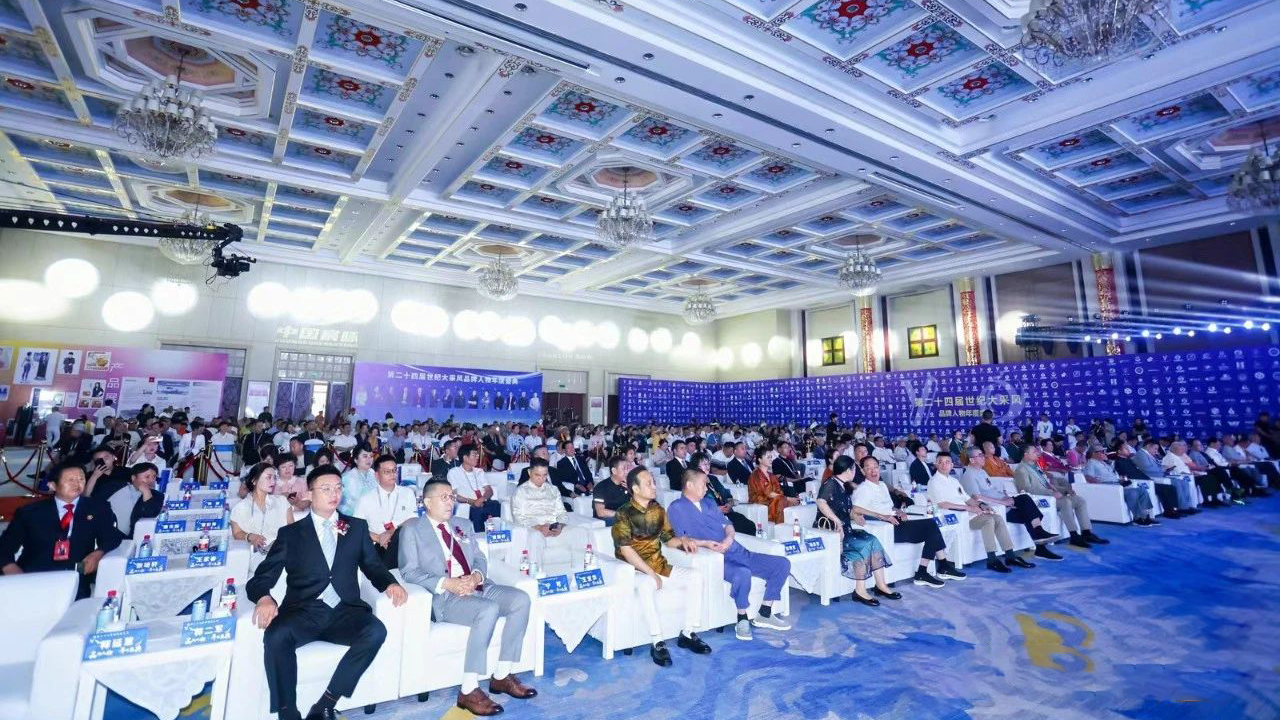
From March 10 to 12, the 69th China (Guangzhou) International Beauty Expo successfully concluded at the Pazhou Complex. Centered on five key trends—experiential interaction, scenario extension, emotional resonance, functional upgrades, and green sustainability—the event brought together purchasing representatives from nearly 50 countries worldwide, serving as a crucial platform for observing opportunities in the global expansion of the beauty industry and the transformation of its supply chains.
。
Driven by the “dual carbon” goals, a zero-carbon beauty demonstration zone has made its debut, with plant-based ingredients, biodegradable packaging, and clean beauty technologies emerging as the key differentiators for brands seeking to break through. Against this backdrop, an increasing number of emerging brands are adopting a light-asset operating model—outsourcing production to specialized Cosmetic OEM manufacturer It focuses on brand building and channel marketing. However, as an industrial hub that accounts for 31% of China’s cosmetic manufacturing enterprises, Guangzhou’s OEM/ODM market is highly fragmented and uneven in quality, posing multiple challenges for brands when selecting partners.
Guangzhou Beauty Expo Exhibition
II. The Three Major Challenges in Finding a Contract Manufacturer for Cosmetics
1. High compliance requirements make it difficult to distinguish between genuine and fake.
Since the implementation of the “Good Manufacturing Practice for Cosmetics” in 2022, regulatory oversight in the industry has tightened. In Guangzhou alone, 126 companies have had their Cosmetic Production Licenses revoked since 2024, accelerating market consolidation. Even some manufacturers that still hold valid licenses often lack the necessary special-use permits—for example, for whitening, sun protection, or spot-removal products—or fail to meet the claimed production standards, exposing them to substantial operational risks when partnering with brands.
2. Supply chain disruptions and uncontrollable costs
Small and medium-sized brands often fall into the “middleman markup” trap. Non-direct manufacturers typically operate under a multi-tiered supply model—brand owner–regional distributor–retail store—with markups as high as 30% to 50%, which severely squeezes profit margins. Even more challenging is that some manufacturers have limited production capacity, leading to delayed delivery times during peak seasons and causing brands to miss critical market windows.
3. Misalignment between technology and products, leading to hollow empowerment
In the era of efficacy-driven skincare, brands need more than just manufacturing outsourcing—they require forward-looking R&D and robust efficacy validation capabilities. Yet most contract manufacturers offer only standardized products, lacking formulation customization tailored to a brand’s positioning and providing no accompanying technical training or operational guidance. As a result, brand homogenization is rampant, making it difficult to establish sustainable competitive advantages.
III. The Three Major Advantages of Choosing Mingyu Cosmetics
In the face of the aforementioned industry pain points, Mingyu Cosmetics, a leading player deeply rooted in Guangzhou’s OEM/ODM sector, offers brand owners differentiated solutions:
1. Full qualification compliance, with transparent and traceable production
Mingyu Cosmetics strictly adheres to the “Good Manufacturing Practice for Cosmetics” and holds comprehensive production qualifications across all product categories, including cosmetic registration, sanitary disinfection product registration, and medical device registration. Its manufacturing facilities meet the 100,000-level GMP cleanroom standards. A full traceability system is in place throughout the entire production process, from raw material procurement to finished-product shipment, ensuring that every batch of products complies with national standards and helping brands mitigate compliance risks.
2. Direct supply from the source, with flexible production capacity assurance
Unlike multi-tiered distribution models, Mingyu adopts a factory-direct supply model that eliminates intermediate links, ensuring ample profit margins for brands. Equipped with multiple automated production lines, the company can handle small-batch pilot runs—reducing inventory risks for start-up brands—while also meeting large-scale mass-production demands, with consistent delivery schedules and rapid response times.
3. Proactive R&D and customized formulation support
In response to the trend toward efficacy-driven skincare, Mingyu has assembled a dedicated R&D team that offers end-to-end services—ranging from formula development and efficacy validation to regulatory filing and testing. Unlike mere OEM manufacturing, Mingyu emphasizes co-building a robust technological framework with brands, tailoring proprietary solutions based on the specific skin characteristics of target consumer segments to prevent market homogenization. In addition, Mingyu provides comprehensive support in product planning, packaging design, and other ancillary areas, thereby lowering the barriers to brand incubation.
IV. Conclusion
By 2026, the cosmetics market is shifting from “capacity-driven competition” to “quality- and compliance-driven competition.” For those seeking
Cosmetic OEM manufacturer For brands, the core criteria for selecting partners have evolved to: whether the partner possesses all necessary qualifications, whether the supply chain is fully controllable, and whether the partner has robust, forward-looking R&D capabilities. Leveraging the advantages of Guangzhou’s thriving cosmetics industry cluster, Mingyu Cosmetics takes compliance as its non-negotiable baseline, efficiency as its operational backbone, and R&D as its driving force, offering tailored OEM services that align with brands at different stages of development. In today’s rapidly accelerating industry reshuffling, this pragmatic and稳健 (stable) collaboration model may well be the key enabler for brands to navigate market cycles successfully.