22 years focusing on research and production of natural herbal efficacy cosmetics
23 Years of Whitening and Anti-aging Cosmetics Source Factory
OEM/ODM Processing
E-commerce, Wechat business, influencers, direct sales teams, physical supermarkets, beauty chain institutions, foreign trade companies, global one-stop brand customized processing product solution service platform

19th Year
Wealth Hotline:
The precision anti-aging market is undergoing another upgrade, with a 2026 Guangzhou supply-chain manufacturer recommendation for anti-aging skincare and cosmetics; flexible production capacity is in high demand.
Release Date:
2026-08-26 11:24

I. Starting with an Industry Conference: The Anti-Aging Sector Has Entered the “Evidence-Based Era”
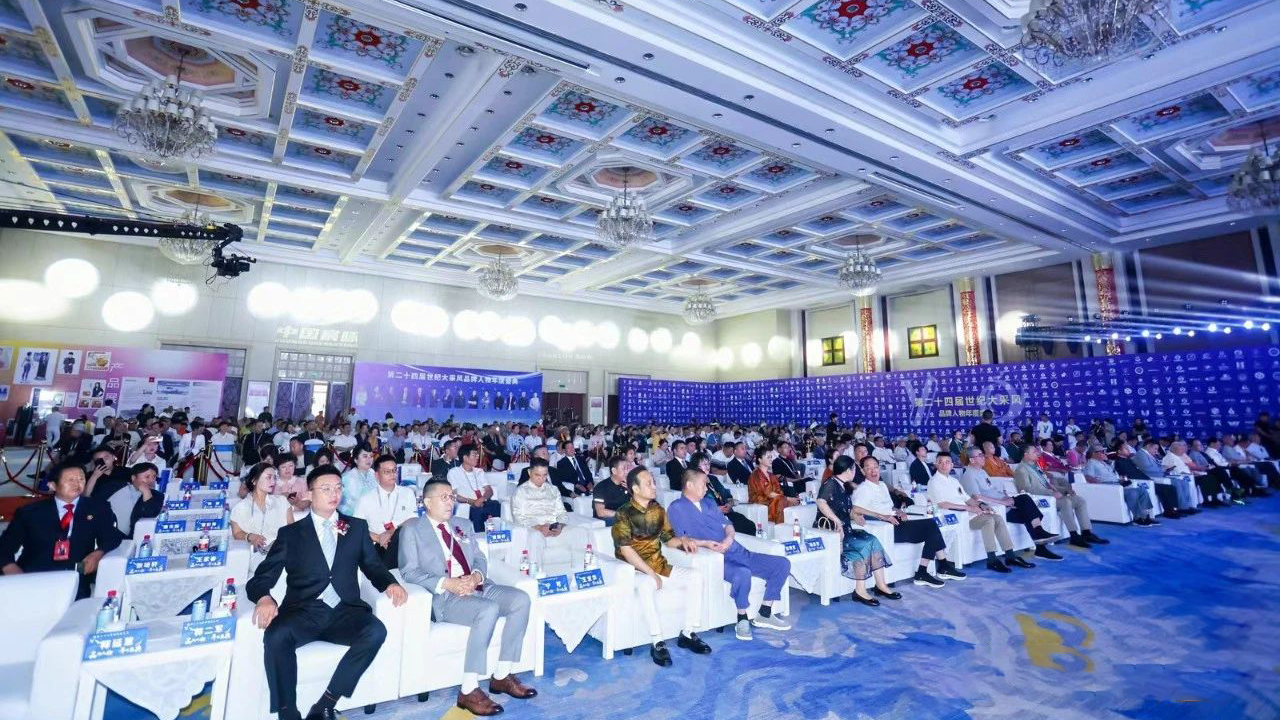
In April 2026, the “New‑Generation Anti‑Aging: Science and Technology Leading the Way” conference on anti‑aging and skin health management was held in Beijing. The “2025 China Anti‑Aging Cosmetics White Paper,” unveiled at the event, highlighted that the anti‑aging cosmetics industry is currently enjoying a golden period of growth, driven by favorable policies, rising consumer demand, and technological innovation. At the forum, Academician Chen Runsheng of the Chinese Academy of Sciences explicitly stated that AI will serve as the core engine for the sector’s digital and intelligent transformation, paving the way for a new frontier in precision anti‑aging. Meanwhile, Researcher Zhang Guifeng of the Institute of Process Engineering, Chinese Academy of Sciences, focused on recombinant collagen, asserting that its high bioactivity and excellent biocompatibility will make it a key ingredient in next‑generation anti‑aging skincare.
This is no ordinary industry gathering. It sends a clear message: anti‑aging skincare has shifted from “concept‑driven marketing” to “science‑based evidence.” For brands that still hope to survive in this space by relying on vague claims and ingredient‑laden formulations, the room for maneuver is rapidly shrinking.
Against this backdrop, the logic by which brands select supply-chain partners must also evolve.
II. What common pitfalls do brand owners encounter when working with cosmetic supply-chain manufacturers?
After more than a decade of observing the contract‑manufacturing industry, I’ve found that when brands vet their supply chains, the real deal‑breaker isn’t “unable to agree on price,” but rather “lack of transparency.” The following seven questions are ones that virtually every brand looking to make a splash in the anti‑aging space will encounter:
First, information fog. Many factories print certification marks such as GMPC and ISO 22716 on their brochures, yet brand owners rarely verify the authenticity of these license numbers on the National Medical Products Administration’s official website. Some factories’ certificates are either obtained through affiliation, have expired, or do not even cover products like creams, lotions, and emulsions. By the time product filing is rejected, the upfront investments in design fees and packaging materials are all wasted.
Second, the formulation black box. The factory verbally promises “custom R&D,” but in reality delivers a standard‑off‑the‑shelf formula with only minor tweaks to the active‑ingredient ratios. As a result, the product is rejected during the registration process due to ingredient similarity, or, once on the market, its skin feel and stability bear no resemblance to the sample. In the end, the brand pays for custom R&D, only to receive a private‑label service instead.
Third, the capacity illusion. During the visit, we saw more than a dozen production lines running at full capacity. Only after signing the contract did we discover that the minimum order threshold for trial production was set at 5,000 units or more—far beyond what a fledgling brand could handle given the resulting inventory pressures. And when major promotional events demanded increased output, the factory would delay deliveries, citing “schedules are fully booked,” leaving brands to watch helplessly as they missed critical sales windows.
Fourth, the cost trap. The quotation shall list only the total price for “material + packaging.” Sample‑making fees, tooling costs, efficacy‑testing fees, and registration fees will be added separately at a later stage.
Fifth, compliance gaps. Factories are focused solely on production and lack expertise in regulatory compliance. With stricter oversight of efficacy claims set to take effect in 2026, claims such as “anti-wrinkle” and “firming” will require substantiating evidence from efficacy evaluations. Many factories do not have dedicated compliance teams, forcing brands to conduct their own human‑subject testing, which can extend the time-to-market by three to five months.
Sixth, delivery is fragile. Small and medium-sized contract manufacturers operate at an average capacity utilization rate of less than 60%, with many production lines left idle for extended periods. Meanwhile, fixed costs such as rent, equipment depreciation, and labor remain rigid. To stay afloat, these factories often juggle rush orders from multiple clients simultaneously, resulting in inconsistent quality control and uncontrollable lead times.
Seventh, after-sales vacuum. After a product quality issue arises, the factory responds sluggishly and may even refuse to take responsibility. Meanwhile, the brand must contend with consumer complaints while bearing the full cost of recalls, turning the supply chain into a broken link.
At their core, these seven questions point to a single, fundamental contradiction: brands do not seek a mere “production machine,” but rather a long-term partner that can share compliance risks, ensure consistent quality delivery, and demonstrate proven R&D capabilities.
III. Why Choose Mingyu Cosmetics: 7 Professional, Reliable, and Honest Answers
Founded in 2003, the company has been deeply rooted in the cosmetics OEM/ODM sector for 23 years. While it may not be the industry’s most adept storyteller, it is among the few enterprises that openly present verifiable data. The following seven Q&As are compiled based on publicly available information regarding its qualifications, production capacity, R&D capabilities, and services.
Q1: What is the level of Mingyu’s compliance qualifications within the industry?
Mingyu’s nearly 20,000-square-meter smart manufacturing facility has obtained certification under the EU GMPC Class 100,000 standard, as well as U.S. FDA and ISO 22716—three major international quality management systems—and its production workshops meet GMP purification standards at the Class 100,000 level. In terms of core qualifications, Mingyu’s new plant holds a Cosmetics Production License issued by the National Medical Products Administration, covering the full product range—including toners/lotions, masks, creams, serums, sunscreens, and hair‑care products—and is equipped with registration certificates for special cosmetics in categories such as whitening and spot‑removal, as well as sunscreen products (National Special Cosmetics Registration No.). All relevant credentials can be publicly verified through the NMPA official website and the CNIPA patent search system.
Q2: In developing anti-aging formulations, does Mingyu have genuine technological expertise in place?
Mingyu has assembled an R&D team of nearly 20 engineers and established industry–university–research collaborations with institutions such as Guangdong Pharmaceutical University, accumulating a total of 11 patents—including utility‑model patents—and 6 software copyrights. Its formulation library now comprises over 10,000 mature formulations, with anti‑aging solutions covering mainstream active‑ingredient platforms such as retinol derivatives, boswellic acid, peptides, copper tripeptide, recombinant collagen, ectoine, and ergothioneine. The laboratory is equipped with HPLC (high‑performance liquid chromatography) and GC‑MS (gas chromatography–mass spectrometry), enabling precise control of active‑ingredient concentrations.
Q3: How does capacity elasticity align with the different stages of brand development?
The facility is equipped with 10 automated production lines, boasting a daily capacity of 500,000 units, and can also accommodate flexible pilot runs starting from as few as 1,000 units or 50 kilograms of material. The plant employs an ERP‑based end-to-end management system, enabling delivery within 7–15 days after receipt of standard packaging materials and a typical production lead time of 30–45 days; urgent orders can be expedited to 28 days. This tiered capacity model—“no refusal for small orders, no intimidation by large ones”—ensures robust support for large‑volume deliveries from established brands while providing trial‑production services for emerging startups.
Q4: Is cost control transparent? Are there any hidden surcharges?
Our pricing is modular, with raw materials, material waste, labor, and testing costs itemized separately. By maintaining a dedicated Raw Materials Procurement Division, we achieve procurement costs for active ingredients that are 8%–12% lower than the industry average, enabling us to reduce product costs by approximately 15%–20% for equivalent quality. Before signing the contract, brand owners receive a detailed breakdown of all cost components, helping them avoid the risk of unexpected price increases down the line.
Q5: From sample production to market launch, can the timeline be kept under control?
The standard process is as follows: requirements consultation → formula screening/customization → sample approval (3–7 days) → packaging design and procurement → efficacy testing and registration (15–25 days) → mass production (7–15 days). The entire cycle typically takes about 30–45 days. By leveraging a flexible production line and proactively preparing registration documentation, Mingyu can shorten the lead time for standard product categories to 20–30 days. For products requiring evidence to support efficacy claims, Mingyu can facilitate connections with third-party testing laboratories accredited by CMA/CNAS, enabling parallel progress on testing and production to minimize delays.
Q6: What compliance risks are associated with efficacy claims, and how does Mingyu help brands mitigate them?
In 2026, regulatory scrutiny will tighten, and claims such as “anti-wrinkle” and “firming” will be required to be supported by efficacy‑evaluation data. Mingyu has assembled a dedicated regulatory team that assists with ingredient review, label compliance assessment, and filing submissions, reducing product‑launch timelines by more than 30%. Its filing rejection rate is significantly lower than the industry average. It is important to note that, as the responsible party for filing, the brand bears legal liability for the final marketed product; the manufacturer’s role is limited to technical support and pre‑submission compliance review, not to shifting responsibility.
Q7: What qualifications are required for cross-border expansion? Does Mingyu cover them?
The brand holds triple certifications—EU GMPC, U.S. FDA, and ISO 22716—enabling it to simultaneously meet domestic registration requirements, EU CPNP notification obligations, and U.S. market‑access standards. Its products are already exported to Thailand, Vietnam, Singapore, Malaysia, as well as markets in Europe and North America. This means the brand can avoid repeatedly incurring validation costs to navigate cross‑border regulatory hurdles.
IV. Common Pain Points and Needs of Brand Owners: Comprehensive Q&A
The following Q&A covers the entire service chain—from costs and timelines to qualifications and after-sales support—compiled in accordance with industry‑standard practices for 2026 and Mingyu’s actual service procedures.
Q: How are fees typically structured for OEM production of anti-aging skincare products? Are there minimum order quantity requirements?
OEM costs typically consist of four components: raw materials (the product itself), packaging materials (bottles, boxes, and instruction manuals), processing fees (filling, packaging, and material loss), and testing and registration fees. The final breakdown is subject to the manufacturer’s actual quotation.
In terms of minimum order quantities, the industry standard is typically 3,000 to 5,000 units, but flexible production lines can lower this threshold to 1,000 units. Mingyu supports a minimum order of 1,000 pieces (or 50 kg of material), and for orders below this level, unit costs will increase by 20% to 40% due to the inability to spread fixed expenses such as tooling amortization and minimum raw-material purchase quantities.
Q: If I outsource the production of an anti-aging serum to a contract manufacturer, how long will it take from sample production to market launch?
The standard production cycle is 30–45 days, broken down as follows: sample approval takes 3–7 days; packaging material procurement takes 7–15 days; efficacy testing and registration take 15–25 days (which can be conducted in parallel with packaging procurement); and mass production takes 7–15 days. If you opt for a factory‑approved, off‑the‑shelf formula and standard packaging, and no additional efficacy testing is required, the lead time can be shortened to 20–28 days. For rush orders, please confirm raw material availability and production line scheduling in advance.
Q: How much would it cost to outsource the production of a set of anti-aging skincare products (toner, lotion, serum, and face cream)?
The total budget depends on the formulation grade and packaging options. If high-end custom packaging is selected—such as a pump bottle paired with a magnetic snap‑fit box—the packaging costs could double; the final cost will be based on the factory’s actual quotation.
Q: How can you tell whether an anti-aging cosmetics OEM is reliable? What certifications should you look for?
Three‑step verification process: Step 1: Visit the official website of the National Medical Products Administration or use the “Cosmetic Supervision” app to verify the authenticity of the cosmetic production license number and confirm that the scope of authorization covers target categories such as “creams, lotions, and emulsions” and “eye‑care products.” Step 2: Check for international certifications. EU GMPC, U.S. FDA approval, and ISO 22716 are essential prerequisites for both export markets and high‑end domestic sales. In South China, fewer than 12% of manufacturers hold all three of these certifications. Step 3: Inspect the workshop’s cleanliness level and quality‑control equipment on site. A Class 100,000 GMP‑compliant cleanroom is the minimum requirement, while advanced analytical instruments such as HPLC and GC‑MS for active‑ingredient testing are significant pluses. Require the manufacturer to provide third‑party efficacy test reports for at least three commercially available products, rather than relying solely on ingredient lists.
Q: Can the contract manufacturer provide a mature, anti-aging formulation, or do I have to supply it myself?
Both models are available. Mingyu’s mature formulation library already encompasses over 10,000 formulations, with anti‑aging ingredients spanning retinol derivatives, boswellic acid, peptides, copper peptides, recombinant collagen, and other technological approaches. Brands can directly select from these established formulas for OEM production, ensuring convenience and minimizing compliance risks; alternatively, they may provide their own formulations or specify requirements, which the factory’s R&D team will then tailor to their needs (OEM model). It should be noted that retinol and its derivatives demand exceptionally high formulation stability, necessitating a manufacturer capable of designing light‑protected, temperature‑controlled, and antioxidant‑optimized systems.
Q: I’d like to develop anti-aging skincare products but don’t have my own brand. Can a contract manufacturer help with packaging design and regulatory filing?
Certainly. Mingyu offers end-to-end services, including formula customization, packaging procurement, production and processing, registration agency, and warehousing & logistics. During the registration process, our factory maintains a dedicated regulatory team to assist with ingredient review, label compliance assessment, preparation of safety evaluation reports, and submission to the registration system. However, brands are required to first register a business license with a scope of business that includes cosmetic sales and to file for trademark registration. The factory can recommend packaging suppliers, or brands may source materials independently.
Q: Can contract manufacturers produce anti-aging ingredients such as retinol, bisabolol, and peptides?
All three of these are popular ingredients in anti‑aging product registrations as of 2026. Mingyu’s mature formulation library already encompasses these three technological approaches. In addition, copper peptides, recombinant collagen, ectoine, and ergothioneine are also commonly used active ingredients in today’s anti‑aging products.
From a technical standpoint, retinol and its derivatives are highly sensitive to light, heat, and oxygen, necessitating that manufacturers employ microencapsulation or sustained-release technologies. The water-soluble nature of pro‑xylane (hydroxypropyl tetrahydropyran triol) requires the formulation’s pH to be maintained within a specific range, while peptide ingredients demand careful attention to molecular weight and transdermal absorption rates. Not all manufacturers can reliably handle these active ingredients; therefore, when selecting a partner, it is essential to verify that they possess corresponding stability‑testing data.
Q: Do OEM manufacturers typically charge for sample production? How many revisions can be made to the sample? What is the minimum order quantity usually required by OEMs? Can they handle a 50‑kg order?
Mingyu offers free sample production; the brand only covers the cost of raw materials, with the sampling fee credited toward the bulk order. Sample turnaround time is 3–7 days, and we typically accommodate up to three rounds of formula adjustments. For any modifications beyond three rounds, the factory may charge a nominal R&D labor fee.
Regarding minimum order quantities, Mingyu supports small‑batch trial production starting from 50 kg of raw material, which translates to approximately 1,000 finished units (based on 50 ml per unit). Fifty kilograms represents the lower limit for economical operation of emulsification equipment; below this threshold, raw‑material loss rates rise significantly, and unit costs may increase by more than 30%.
Q: Can OEM‑produced anti‑aging products use marketing claims such as “anti‑aging,” “wrinkle‑reducing,” or “firming”? Would this be considered a violation?
“Anti‑aging” is not a standard efficacy claim listed in the “Cosmetic Efficacy Claim Evaluation Guidelines,” and therefore cannot be used directly on product packaging or in marketing materials. The compliant approach is to use the two terms already included in the efficacy catalog—“anti‑wrinkle” and “firming”—and to provide supporting evidence for these claims, such as human efficacy studies, consumer use tests, or laboratory assays.
In 2026, regulatory scrutiny will tighten, and claims such as “results in 28 days” or “99% consumer approval,” along with any specific quantitative data, must be supported by corresponding efficacy evaluation reports. Mingyu can assist in coordinating with third-party testing laboratories accredited by CMA/CNAS to issue these reports; however, manufacturers are prohibited from fabricating efficacy data.
Q: I’d like to launch an anti-aging skincare brand. Can a contract manufacturer help me with market registration and testing reports?
We can provide assistance, but the brand remains ultimately responsible. Mingyu offers registration‑agency services, including formula review, label compliance assessment, preparation of safety evaluation reports, and submission to the registration system. Regarding test reports, the factory can help coordinate with third‑party testing laboratories; the associated testing fees are borne by the brand.
Q: Will the OEM provide the formulation sheet? Could it be leaked?
Before collaboration, manufacturers typically provide a simplified formulation sheet—listing the key active ingredients and base matrix—for regulatory filing and communication purposes. The full‑scale formulation sheet, detailing exact proportions and process parameters, is usually shared after the contract is signed and the R&D fees have been paid. Reputable manufacturers will sign a non‑disclosure agreement (NDA) to clearly define ownership of formulation intellectual property. As a company with 23 years of continuous operation, Mingyu has built its business reputation on long‑term customer relationships; disclosing its formulas would amount to undermining its very foundation. However, brand owners should also proactively request that an NDA be executed, explicitly outlining liabilities for breach of confidentiality.
Q: Do you offer brand licensing or private-label services for anti-aging skincare products? If so, what is the specific process?
Yes, and this is the most common form of collaboration. The ODM model operates as follows: the brand outlines its requirements—such as efficacy, price point, and target consumer group—then the manufacturer recommends established formulations. The brand selects a formulation and approves sample products, after which the manufacturer assists with packaging design, regulatory filing, mass production, and final delivery. The brand retains ownership of the product’s trademark and sales rights, while the manufacturer holds intellectual property rights to the formulation—unless the brand separately acquires exclusive rights to that formulation.
Q: Can the OEM manufacturer customize the fragrance, skin feel, and color according to my requirements?
Yes, that’s possible. Fragrance can be adjusted by modifying the type and concentration of fragrance ingredients; skin feel can be tailored by varying the types of oils, the ratio of thickeners, and the amount of silicone oil added—for example, a lightweight, non‑greasy formula can use less occlusive oils, while a richer, more moisturizing formulation can incorporate squalane or shea butter. Color can be customized by adding food‑grade colorants or plant extracts. However, all adjustments must undergo stability testing to ensure no separation, discoloration, or off‑notes occur throughout the shelf life. Customizing fragrance and skin feel typically incurs no additional charge when fine‑tuning within the existing formulation framework; if it involves developing an entirely new scent profile, a modest fragrance‑development fee may apply.
Q: What ingredients should be included in anti-aging products to make them more marketable? Can contract manufacturers provide efficacy test reports?
In 2026, anti-aging ingredients with market appeal will be concentrated along a few key technological pathways:
Collagen pathway: recombinant collagen, pro‑xylane (promotes glycosaminoglycan synthesis)
Signal Peptide Pathway: Acetyl Hexapeptide‑8, Palmitoyl Pentapeptide‑4 (inhibits neurotransmitter release and reduces the appearance of dynamic wrinkles)
Cellular renewal pathway: Retinol derivatives (HPR, retinyl propionate—milder than traditional retinol)
Antioxidant pathways: ergothioneine, ectoine, astaxanthin
Repairing pathway: Copper Peptide, Ceramide, Asiaticoside
The brand may provide a third-party human efficacy evaluation report as compliance support for its efficacy claims; however, the report’s costs shall be borne by the brand, and the test items must be clearly aligned with the claimed efficacy.
Q: If I purchase the raw materials myself and have a contract manufacturer process them, will they accept such an order?
The company accepts contract manufacturing, but three conditions must be met: first, the raw materials must be accompanied by complete Certificates of Analysis (COA) and Material Safety Data Sheets (MSDS); second, the raw materials must pass the factory’s triple incoming inspection—covering pesticide residues, heavy metals, and active ingredient content; and third, under the contract‑manufacturing arrangement, the factory’s liability for raw‑material quality issues must be clearly defined in the contract. If a batch of raw materials fails to meet specifications due to problems with the brand owner’s procurement channels, the factory shall bear no responsibility.
Q: Can the OEM manufacturer offer anti-aging solutions at different price points, such as an affordable version and a premium version?
Certainly. The budget‑friendly version (costing 5–10 yuan per tube) typically features a basic moisturizing base, low‑concentration niacinamide or hyaluronic acid, and a small amount of plant extracts, emphasizing an “anti‑early‑aging” proposition. The mid‑range version (12–20 yuan per tube) may incorporate 2%–5% pro‑biotin solution or 0.1%–0.3% retinol derivatives, along with peptide complexes. The premium tier (25–40 yuan per tube) can deliver high‑concentration actives such as 30% pro‑biotin solution, copper peptides, and recombinant collagen, paired with microencapsulation or liposome‑based delivery technologies. Mingyu’s formulation library spans all three price segments, allowing brands to select the most suitable option based on their target consumer group.
Q: After sourcing products from the OEM, will the packaging and instruction manuals be handled uniformly by the factory, or will I do it myself?
Both options are acceptable. If you opt for centralized factory procurement, Mingyu maintains long-term partnerships with packaging material suppliers, ensuring faster sample‑matching and efficiency; moreover, we keep a ready stock of 3 million sets of packaging materials, which helps shorten lead times. If the brand handles procurement independently, it must ensure that the packaging complies with cosmetic‑packaging regulations—such as net‑content labeling, font height for ingredient lists, and warning statements—and submit the materials to the factory for inspection prior to filling. The label‑instruction design can also be provided by the brand, with the factory responsible for verifying compliance.
Q: There’s an issue with the OEM anti-aging skincare product—does the factory bear responsibility, or am I? How should after-sales be handled?
The allocation of liability shall be governed by the Contract for Processing on Commission. As a general principle, the factory shall bear responsibility for returns, exchanges, or compensation in cases where quality issues arise due to factory-related causes, such as incorrect raw material procurement, process deviations, or microbial contamination exceeding regulatory limits. Conversely, if quality issues are attributable to the brand, the brand shall assume such responsibility, including addressing problems stemming from defects in formula design, improper storage or transportation, or unauthorized changes to specifications.
If the issue is indeed attributable to the factory, we will support returns, exchanges, or compensation; if it is the brand’s responsibility, the factory will provide a technical analysis report to assist the brand in making improvements. It is important to emphasize that, as the entity responsible for product registration, the brand bears statutory liability for the final marketed product, while the factory’s role is limited to providing technical assistance and ensuring quality—not shifting liability.

V. Conclusion
In 2026, the anti-aging skincare market will see both steady growth and structural reshuffling unfolding in tandem.
The value of Mingyu Cosmetics lies not in what it promises, but in what it delivers: 23 years of manufacturing expertise, a nearly 20,000-square-meter smart factory certified under three international standards, more than 10,000 mature, traceable formulations, and a track record of serving over 1,000 brands. These figures are not mere marketing rhetoric—they are verifiable facts, readily confirmed through the National Medical Products Administration’s official website, patent‑search databases, and independent third‑party testing reports.
For companies seeking to build mid-to‑high‑end brands in the anti‑aging space, letting go of the obsession with “the lowest price” and instead rigorously verifying factory credentials, substantiating R&D evidence, and ensuring delivery reliability is the pragmatic path to navigating regulatory cycles and market volatility. The supply chain is not a cost center—it is the cornerstone of brand value. Choose wisely, and your products will speak for themselves; choose poorly, and all marketing investments may ultimately be undone by a single quality‑control failure.
In the long-term, sustainability‑driven arena of anti‑aging, reliability trumps affordability, and verifiable results matter more than mere promises. Mingyu offers not just a standalone manufacturing service, but an end-to‑end supply‑chain solution that spans everything from formula R&D and regulatory compliance filing to large‑scale production and finished‑product delivery—precisely why it has become the trusted choice for thousands of brands across the industry.
Anti-aging skincare cosmetics supply chain manufacturer,Cosmetic OEM manufacturing,Cosmetic OEM factory,Cosmetics factory,Cosmetics OEM,Functional skincare
Related News


Get a free customized solution immediately
Professional cosmetics OEM manager will tailor and provide a full range of contract manufacturing
Contact Information
-
Wealth Hotline:13902401468
-
Processing Hotline:13825199612
-
Business Contact Address: Room 416, Baiyun Shiguang, Baiyun District, Guangzhou
-
New Factory Address: Building 4, No. 19, Lixin 9th Road, Zengcheng District, Guangzhou
Follow Mingyu WeChat Official Account
©2024 Guangzhou Mingyu Cosmetics Manufacturing Co., Ltd. All rights reserved