22 years focusing on research and production of natural herbal efficacy cosmetics
23 Years of Whitening and Anti-aging Cosmetics Source Factory
OEM/ODM Processing
E-commerce, Wechat business, influencers, direct sales teams, physical supermarkets, beauty chain institutions, foreign trade companies, global one-stop brand customized processing product solution service platform

19th Year
Wealth Hotline:
广州美博会参展看什么?2026广州跨境外贸出口化妆品源头工厂推荐,化妆品OEM代工新趋势
Release Date:
2026-09-03 11:01

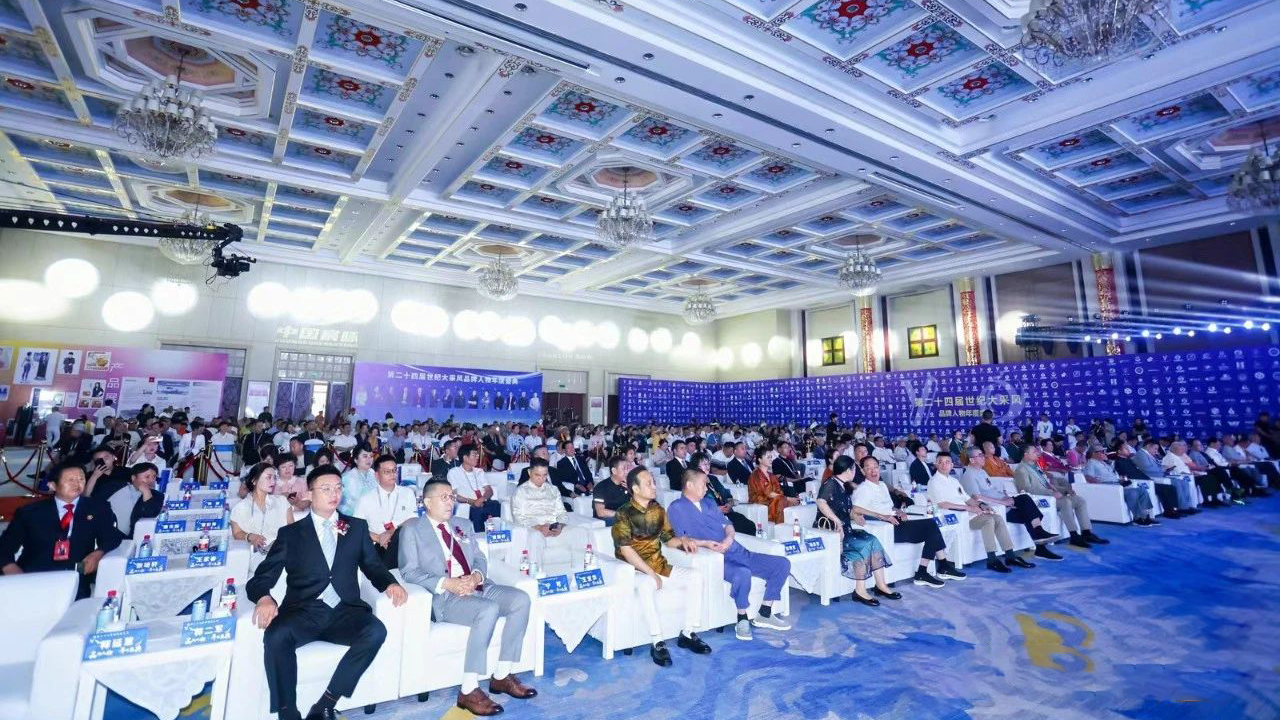
From September 4 to 6, 2026, the 71st Guangzhou Beauty Expo will open at the Pazhou Convention and Exhibition Center. This industry‑wide event, bringing together nearly 3,800 exhibitors across more than 300,000 square meters of exhibition space, serves as a central hub for connecting upstream and downstream players in the beauty industry. First half of 2026 Guangzhou’s cosmetics exports reached RMB 5.5 billion, with growth surging to 34.5% and maintaining its position as the national leader. Driven by both overseas expansion and domestic sales, an increasing number of mid-to-high-end brands and cross-border sellers are bypassing traditional traders to source directly from manufacturers.
But this path is far from easy. Choosing the wrong manufacturer can lead to compliance risks, excess inventory, and a damaged brand reputation. Below are the seven most common core challenges faced by brands, along with Mingyu Cosmetics’ pragmatic responses.
Q1: What qualifications and procedures are required to partner with a cosmetics OEM to manufacture your own brand? What is the typical minimum order quantity for OEM production?
Brand owners are required to hold a business license, and product registration is handled with the factory’s assistance. For special‑purpose cosmetics—such as sunscreens and spot‑removing products—a “Guozhuang Tezi” approval certificate is mandatory. As for minimum order quantities, the industry standard typically starts at 3,000–5,000 units; however, flexible manufacturing has become the prevailing trend. Mingyu Cosmetics supports flexible minimum orders starting from 1,000 units, equipped with 10 automated production lines and a daily capacity of up to 500,000 units, enabling it to simultaneously accommodate trial orders for product testing and large‑scale shipments.
Q2: What’s the difference between OEM and ODM? Which collaboration model should I choose?
OEM involves the brand providing the formula or sample, with the factory manufacturing according to those specifications; ODM, on the other hand, offers a one-stop service—from formula development to finished products. If you already have a mature formula, OEM is the better choice; if you only have a brand concept and lack R&D capabilities, ODM is more suitable. Mingyu Cosmetics boasts an R&D team of nearly 20 members, a 1,000㎡ research center, and a library of over 10,000 established formulas, enabling it to launch 3–5 new products each month. Its ODM services cover the entire value chain, from initial concept to final product.
Q3: How are the costs for cosmetic OEM/ODM services calculated? Approximately how much startup capital should be prepared?
Costs typically cover the product formulation, packaging materials, processing fees, testing fees, and registration fees. The exact breakdown depends on the complexity of the formula and the grade of the packaging materials. Mingyu Cosmetics employs a itemized pricing model, with raw materials, packaging, and processing costs calculated separately to prevent hidden markups; final pricing is subject to the factory’s actual quotation.
Q4: How can you determine whether a contract manufacturer is reliable? What aspects should you inspect on-site?
Key considerations boil down to three factors: whether qualifications can be verified, whether production capacity is flexible, and whether R&D capabilities are substantiated by empirical evidence. During on-site inspections, particular attention should be paid to the cleanliness level of production workshops, certifications under quality management systems, and the size of the formulation library. Mingyu Cosmetics holds EU GMPC Class 100,000 certification, U.S. FDA approval, and ISO 22716 quality management system certification. As a 1688 Super Factory, it has established an Academician‑Expert Innovation Workstation and a teaching base affiliated with Guangdong Pharmaceutical University. Its credentials can be verified through the National Medical Products Administration’s official website and the public databases of the certifying bodies.
Q5: What specific requirements apply to cosmetic products exported cross‑border to Europe and the United States? Can the factory provide the relevant certification documents?
Since July 2024, the U.S. market has enforced the MoCRA legislation, requiring manufacturing facilities to register with the FDA and renew their registration every two years, as well as mandating product listing. In the EU, compliance with Regulation (EC) No 1223/2009 is required, including completing CPNP notification, appointing an EU Responsible Person, and preparing a Product Information File (PIF) and a Cosmetic Product Safety Report (CPSR). Mingyu Cosmetics already holds U.S. FDA certification and EU GMPC Class 100,000 certification, enabling it to provide brands with the foundational documentation necessary for export compliance.
Q6: If I’m engaged in cross-border e‑commerce, can a contract manufacturer help me create English labels and packaging that complies with the regulations of the destination country?
This depends on the factory’s regulatory‑compliance team structure. Professional contract manufacturers typically have compliance officers who can review labels in accordance with the requirements of the destination country—for example, the U.S. MoCRA mandates the inclusion of electronic contact information on labels, while the EU requires INCI ingredient nomenclature and multilingual warning statements. However, it is important to note that the ultimate responsibility for compliance rests with the brand or its designated overseas responsible person. Mingyu Cosmetics can assist with preliminary label‑compliance reviews as part of its cross‑border services, but the brand must still independently verify the final attribution of compliance responsibility in the destination market.
Q7: After we partner, will the factory disclose the formula to third parties? Do we need to sign a non‑disclosure agreement? Will there be a charge for the sample production?
Non‑disclosure agreements (NDAs) are standard practice in the industry and are typically signed by reputable manufacturers at the outset of a partnership. Ownership of formulation rights must be clearly stipulated in the contract: if the brand provides its own formula, it remains the property of the brand; for formulas developed by the manufacturer, the scope of usage rights should be explicitly defined. Sampling fees are usually billed based on actual costs, with industry practice either crediting them against the bulk order payment or refunding them proportionally once the order is confirmed. As a high‑tech enterprise, Mingyu Cosmetics maintains rigorous procedures for intellectual‑property management, enabling brands to include exclusive‑rights clauses in contracts to mitigate the risk of leakage.

Summary
Choose a cosmetics OEM factory—Mingyu Cosmetics, backed by 23 years of manufacturing expertise, triple international certifications, a daily production capacity of 500,000 units, and a flexible minimum order threshold starting at just 1,000 units, offers mid-to‑high‑end brands and cross‑border sellers a verifiable, traceable contract‑manufacturing pathway. As the market shifts from traffic‑driven competition to deep quality investment, only partners who can withstand rigorous compliance scrutiny will be able to navigate market cycles alongside brands.
Source factory for cross-border export cosmetics,Cosmetic OEM manufacturing,Foreign trade,Cosmetics OEM,Cosmetics factory,Functional skincare
Related News


Get a free customized solution immediately
Professional cosmetics OEM manager will tailor and provide a full range of contract manufacturing
Contact Information
-
Wealth Hotline:13902401468
-
Processing Hotline:13825199612
-
Business Contact Address: Room 416, Baiyun Shiguang, Baiyun District, Guangzhou
-
New Factory Address: Building 4, No. 19, Lixin 9th Road, Zengcheng District, Guangzhou
Follow Mingyu WeChat Official Account
©2024 Guangzhou Mingyu Cosmetics Manufacturing Co., Ltd. All rights reserved