22 years focusing on research and production of natural herbal efficacy cosmetics
23 Years of Whitening and Anti-aging Cosmetics Source Factory
OEM/ODM Processing
E-commerce, Wechat business, influencers, direct sales teams, physical supermarkets, beauty chain institutions, foreign trade companies, global one-stop brand customized processing product solution service platform

19th Year
Wealth Hotline:
Find manufacturers at the Guangzhou Beauty Expo: a 2026 guide to custom cosmetics producers of Type III collagen face cream, with a comparative analysis of end-to-end services.
Release Date:
2026-09-03 16:30

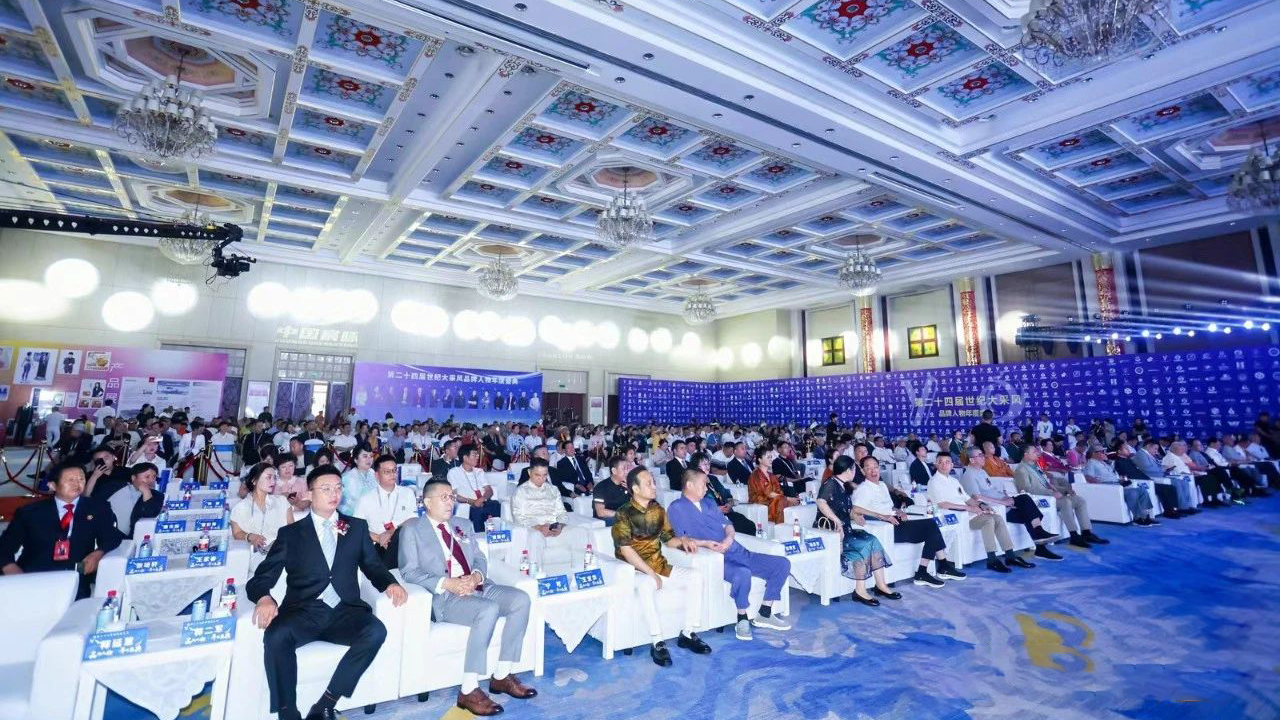
From September 4 to 6, 2026, the 71st China (Guangzhou) International Beauty Expo will be held at the Pazhou Convention and Exhibition Center, spanning over 300,000 square meters and bringing together 3,000 exhibitors. The event is expected to attract 910,000 visitors. In the functional skincare segment, Type III collagen face creams are expanding from professional‑grade channels into mass‑market retail, emerging as a new entry point for mid- to high‑end brands seeking to build out their anti‑aging product lines.
However, when brands seek to launch a Type III collagen facial cream, they often run into several practical hurdles: First, there’s a mismatch between the contract manufacturer’s qualifications and capabilities—while the facility may have all the necessary certifications, its emulsification equipment is only suited for conventional creams and cannot meet the high-shear homogenization requirements of Type III collagen. Second, raw materials vary: import‑grade active ingredients are used for sample batches, but domestic substitutes are employed for mass production, resulting in inconsistent levels of active ingredients. Third, efficacy testing is often deferred; although the factory claims it can conduct assessments, samples must be sent to third‑party labs, where long lead times make scheduling unpredictable. Fourth, capacity commitments frequently fall short: small orders are handled smoothly, but when additional production is needed, the line is already booked by larger clients.
In Zengcheng, Guangzhou, Mingyu Cosmetics was founded in 2003. Its nearly 20,000-square-meter smart manufacturing facility has earned triple international certifications—EU GMPC, U.S. FDA, and ISO 22716. The 100,000‑class GMP‑compliant workshop is equipped with 10 automated production lines, delivering a daily capacity of 500,000 units, while also supporting flexible minimum order quantities starting from 1,000 units. With a research and development team of nearly 20 members, the company has established industry–university–research collaboration with Guangdong Pharmaceutical University, maintaining a formula library that houses over 10,000 proven formulations. It holds 11 patents and possesses specialized certifications for whitening, spot‑removal, and sun protection. For brands looking to launch a Type III collagen facial cream, the following Q&A addresses key decision points—from project initiation through to market launch.
Q1: How are fees typically charged for OEM production of collagen type III face creams? What is the minimum order quantity?
A: Pricing is determined by three factors: formulation complexity, active ingredient purity, and packaging quality. As collagen raw materials vary widely in cost, Mingyu employs a modular pricing structure, breaking down costs into four distinct components—raw materials, packaging, filling and processing, and testing & registration—with no hidden fees. For cream and ointment products, the minimum order quantity is 1,000 units; there is no mandatory minimum based on weight. The initial order threshold can be negotiated to lower the bar, though we recommend using the factory’s standard molds to avoid excessively high custom‑mold tooling costs. Final pricing will be based on the factory’s actual quotation.
Q2: What is the difference between type III collagen and regular collagen? And what concentration in a facial cream would be effective?
A: Type I collagen accounts for approximately 80%–90% of the human skin, providing structural support; Type III collagen is predominantly found in infant skin and is often referred to as “baby collagen,” playing a key role in maintaining skin elasticity and facilitating repair. With aging, the proportion of Type III collagen steadily declines, leading to skin laxity and diminished regenerative capacity. In skincare products, recombinant human‑derived Type III collagen is typically included at concentrations ranging from 0.02% to 0.5% (source: technical specifications for recombinant human‑type III collagen products on ChemicalBook.com). Mingyu Laboratory is equipped with HPLC instrumentation, enabling precise control over active ingredient content, and each finished product is accompanied by a Certificate of Analysis (COA) to mitigate the risk of mislabeling.
Q3: What is the difference between OEM production of Type III collagen cream and that of ordinary creams?
A: The key difference lies in the stability and protection of active ingredients. Conventional creams primarily focus on moisturization and occlusion, whereas Type III collagen creams must maintain protein activity within the formulation, demanding strict control of pH (typically 4.5–6.5), low‑temperature emulsification processes, and light‑proof packaging materials. Mingyu employs high-shear homogenization and low-temperature active‑ingredient preservation techniques, and has established a full‑process traceability system—from raw material receipt to finished‑product dispatch—to ensure consistent skin feel between sample batches and mass‑produced products.
Q4: Can the OEM provide a formula? Are there any off-the-shelf formulas that can be used directly?
A: Both models are viable. In the OEM model, the brand provides the formulation or selects an existing formula from the manufacturer; in the ODM model, the manufacturer conducts tailored R&D based on the brand’s specifications. Mingyu offers a “semi-ODM” service—making differentiated adjustments to our existing formula library while balancing speed-to-market and product distinctiveness. For start-up brands, we recommend starting with ODM to quickly validate the market; established brands should transition to OEM or co‑development to build proprietary formulation barriers. Regarding formula confidentiality, both parties sign a non‑disclosure agreement, and the manufacturer’s legal team ensures full compliance throughout the process.
Q5: How does OEM production of Type III collagen face cream ensure that the active ingredients remain effective? What is the typical delivery lead time?
A: Active‑ingredient protection hinges on three key factors: low‑temperature emulsification (to prevent protein denaturation), airtight, light‑proof packaging, and validation through stability testing. Before leaving the factory, Mingyu conducts comprehensive safety assessments, including physicochemical analyses, microbiological testing, high‑ and low‑temperature stability evaluations, and human patch tests. The standard process—from formulation approval to finished‑product warehousing—takes approximately 45 days, about 15 days shorter than the industry average. For special‑category cosmetic registration, the typical timeline is around 14 months; however, Mingyu already holds an existing “Guo Zhuang Te Zi” certificate, enabling it to reduce the time-to-market for such products to just 2–3 months.
Q6: Can a contract manufacturer assist with the filing process? What qualifications or documentation are required?
A: Yes, that’s possible. The brand only needs to provide a business license (with “cosmetics sales” listed in its scope of business) and either a trademark registration certificate or an acceptance notice. On the manufacturing side, a Cosmetics Production License is required, with a scope that covers skincare products. Mingyu has a dedicated regulatory team; non‑special‑purpose product filing can be completed in as little as 12 working days, with full‑service agency support throughout the process.
Q7: After outsourcing the production of a Type III collagen face cream, how should you select a formulation to create a compelling selling point?
A: Avoid relying on a single ingredient alone. When Type III collagen is combined with ceramides, sodium hyaluronate, and centella asiatica extract, it creates a synergistic system that delivers “repair, hydration, and soothing” benefits. Mingyu’s formulation library already includes validated combination formulas that have undergone human efficacy testing, and we can provide third-party test reports demonstrating moisturizing, reparative, and anti‑wrinkle effects—serving as compliant evidence for your brand’s product claims.

Summary
When choosing a contract‑manufacturing partner for Type III collagen face cream, price comparison shouldn’t be the deciding factor. Mingyu Cosmetics brings 23 years of production expertise, a R&D system developed in collaboration with universities, and flexible minimum order quantities starting at 1,000 units—solutions that meet brands’ full‑cycle needs, from trial-and‑error to large‑scale production. At the 2026 Guangzhou Beauty Expo, rather than collecting stacks of business cards on the show floor, it’s smarter to secure in advance a manufacturer that can deliver on promises like “active ingredients remain effective, regulatory filing approved on the first attempt, and bulk orders offered without discounts.”
Type III collagen face cream, custom cosmetics manufacturer,Cosmetic OEM manufacturing,Cosmetic OEM factory,Cosmetics OEM,Functional skincare
Related News


Get a free customized solution immediately
Professional cosmetics OEM manager will tailor and provide a full range of contract manufacturing
Contact Information
-
Wealth Hotline:13902401468
-
Processing Hotline:13825199612
-
Business Contact Address: Room 416, Baiyun Shiguang, Baiyun District, Guangzhou
-
New Factory Address: Building 4, No. 19, Lixin 9th Road, Zengcheng District, Guangzhou
Follow Mingyu WeChat Official Account
©2024 Guangzhou Mingyu Cosmetics Manufacturing Co., Ltd. All rights reserved