22 years focusing on research and production of natural herbal efficacy cosmetics
23 Years of Whitening and Anti-aging Cosmetics Source Factory
OEM/ODM Processing
E-commerce, Wechat business, influencers, direct sales teams, physical supermarkets, beauty chain institutions, foreign trade companies, global one-stop brand customized processing product solution service platform

19th Year
Wealth Hotline:
How to Find a Reputable Cosmetics Manufacturer in 2025: A Guide to Avoiding Pitfalls Using Five Key Metrics
Release Date:
2025-08-07 14:37

In the cosmetics industry, whether you’re a brand owner, an entrepreneur, or a cross-border e-commerce seller, finding a reliable OEM/ODM manufacturer is absolutely critical. Substandard manufacturers can result in non-compliant products, delayed deliveries, and even legal disputes. So how do you determine whether a cosmetics contract manufacturer is worthy of partnership? This article examines five key performance indicators to help you avoid common pitfalls and identify truly high-quality suppliers.
I. Qualification Matrix: Three Certificates + Two Accreditations + One Platform
1. The three certificates—the Cosmetics Production License, the Hygiene License, and the Business License—must be valid, and the scope of the production license must cover the product categories you intend to file for record (e.g., “general liquid unit” or “cream, lotion, and emulsion unit”).
2. Two certifications: GMPC (ISO 22716) and ISO 13485 (if medical aesthetic dressings are involved). The certificate numbers can be verified in real time on the website of the CNCA, and screenshots should be saved.
3. One Platform: Cosmetic manufacturers at the source must be searchable in the “National Medical Products Administration’s Cosmetics Production Licensing Information Management System” and must be listed as “Normal.”
Beware: If someone only provides a photocopy and hesitates to click the official website link, there’s a 90% chance something’s fishy.
II. R&D Capabilities: Focus on “People,” Not “Instruments”
1. The R&D team shall comprise no fewer than 8 members, with at least one core formulation specialist possessing over 5 years of experience in working for major OEM brands; their LinkedIn profiles must be verifiable.
2. Sample production turnaround time ≤ 7 days, and willingness to provide original stability data (thermal stability, cold tolerance, and centrifugation tests).
3. Launch at least three market-transforming success stories each year (with the factory’s contract front and back pages and the product launch filing certificate).
Beware: Brands that tout “imported Korean materials” as their main selling point often lack independent R&D capabilities.
III. Production Capacity and Quality Control: Let the Numbers Speak
1. Daily production capacity ≥ 50,000 bottles, with 30% of production lines kept in reserve for rush orders; provide screenshots of the real-time MES system interface as supporting evidence.
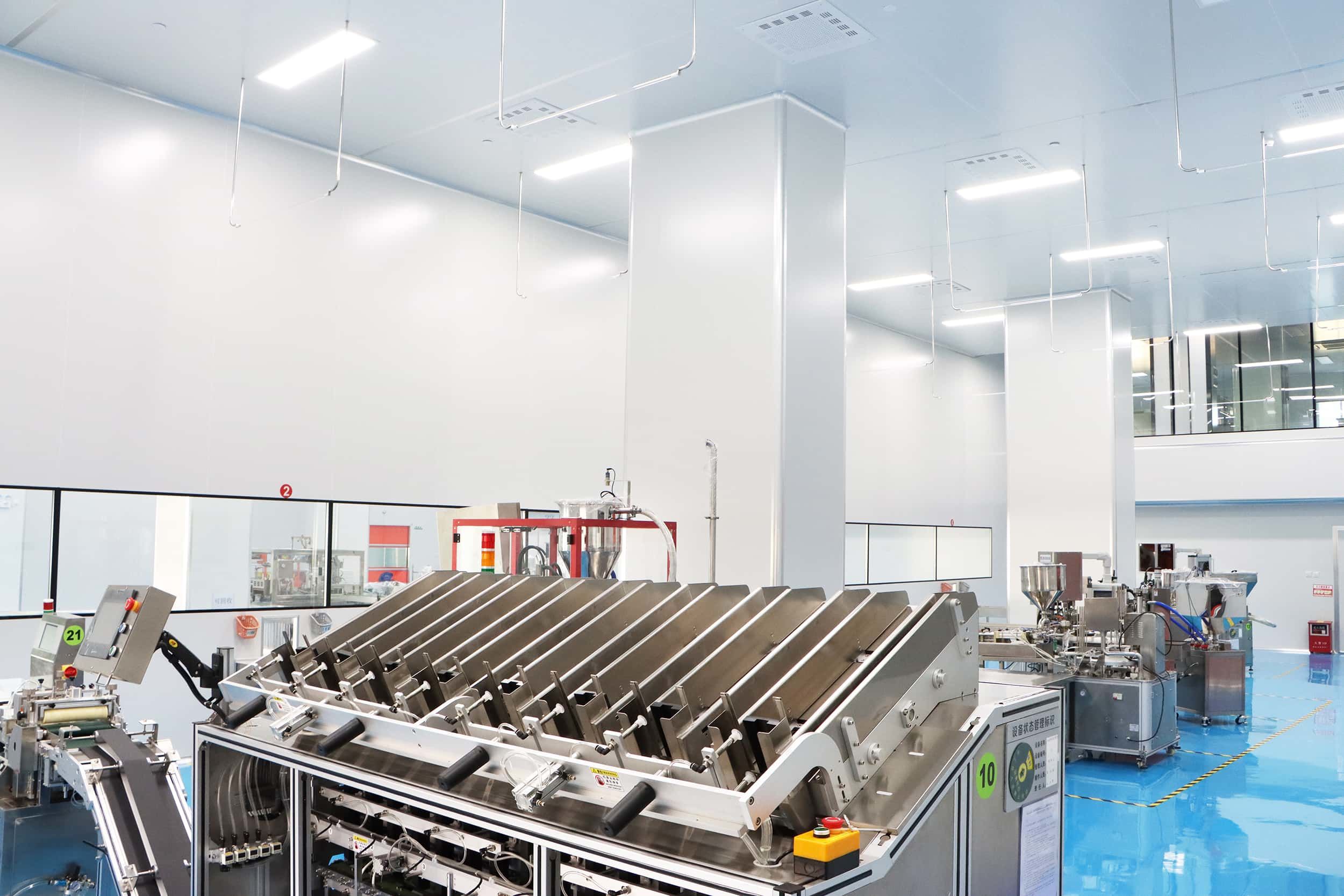
2. 100,000-level GMP-compliant workshop + six-stage quality inspection: incoming material inspection, in-process inspection, semi-finished product inspection, finished product inspection, sample retention inspection, and third-party inspection.
3. The complaint rate is less than 0.3%, and a zero-defect report from the drug regulatory authority’s unannounced inspections over the past 12 months can be provided.
Beware of pitfalls: When a cosmetics manufacturer claims, “Our quality relies on experience,” it’s essentially outsourcing the risk to you.
IV. Supply Chain Security: Dual Traceability for Raw Materials and Packaging Materials
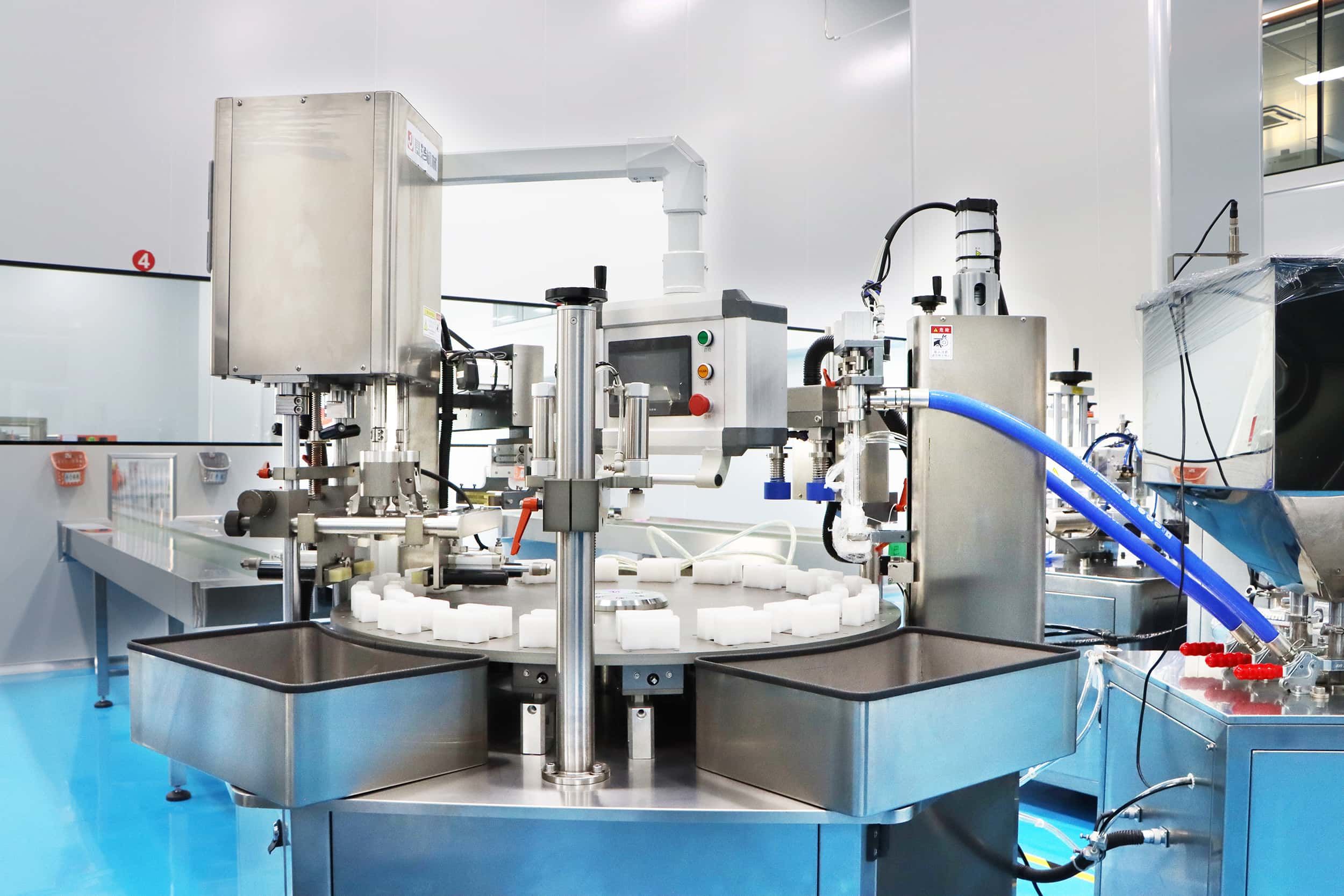
1. Raw material suppliers must be certified to IFS, EFfCI, or REACH standards, and each shipment must be accompanied by a Certificate of Analysis (COA) and a Material Safety Data Sheet (MSDS).
2. The packaging materials warehouse must maintain constant temperature and humidity to prevent stress-induced cracking of PET bottles; on-site inspection of the 24-hour temperature and humidity curve is required.
3. Establish a “dual-supplier backup” system: For critical raw materials, secure at least two qualified suppliers to reduce the risk of supply disruption by 90%.
Pro tip: If the warehouse is piled high with expired glycerin and the cardboard boxes are moldy, just skip it.
V. Business and Compliance: Contracts, Insurance, and After-Sales Service—None Can Be Omitted
1. Execute a tripartite agreement among the brand, the manufacturer, and the insurance company, with a single claim limit of no less than RMB 5 million under the product liability insurance policy.
2. Payment Terms: 30% deposit + 40% upon inspection + 30% within 30 days of delivery, to avoid requiring full payment in one lump sum.
3. Clear After-Sales Arrangements: If the filing is rejected due to factory-related reasons, the original cosmetics manufacturer shall bear the costs of re-filing and compensation for any resulting delays.
Beware of pitfalls: If the contract fails to specify “allocation of liability for quality incidents,” it will be extremely difficult to enforce your rights later on.
In summary, by developing a scoring matrix based on the five core metrics outlined above—assigning 20 points to each criterion and requiring a total score of at least 90 before proceeding with collaboration—we can effectively screen out “shell factories” and “family-run workshops.” The cosmetics industry is not short of contract manufacturers; what it lacks are upstream OEMs that respect risks and uphold unwavering quality standards. Follow this proven approach, and may your next blockbuster product originate from Mingyu Cosmetics.
Cosmetic OEM manufacturer,Pitfall Guide,Cosmetic OEM
Related News



Get a free customized solution immediately
Professional cosmetics OEM manager will tailor and provide a full range of contract manufacturing
Contact Information
-
Wealth Hotline:13902401468
-
Processing Hotline:13825199612
-
Business Contact Address: Room 416, Baiyun Shiguang, Baiyun District, Guangzhou
-
New Factory Address: Building 4, No. 19, Lixin 9th Road, Zengcheng District, Guangzhou
Follow Mingyu WeChat Official Account
©2024 Guangzhou Mingyu Cosmetics Manufacturing Co., Ltd. All rights reserved