22 years focusing on research and production of natural herbal efficacy cosmetics
23 Years of Whitening and Anti-aging Cosmetics Source Factory
OEM/ODM Processing
E-commerce, Wechat business, influencers, direct sales teams, physical supermarkets, beauty chain institutions, foreign trade companies, global one-stop brand customized processing product solution service platform

19th Year
Wealth Hotline:
A Comprehensive Guide to OEM Cosmetics Manufacturing: How Can Domestic Beauty Brands Leverage Contract Manufacturers to Quickly Break Through?
Release Date:
2025-08-08 14:29

In 2025, China’s cosmetics market continues to surge, with a steady stream of emerging domestic brands. Astute consumers have noticed that the same viral serum or sheet mask may sport different brand logos on livestreaming platforms and e-commerce product pages—yet they could well be produced on the very same production line. The unsung hero behind this phenomenon is the “cosmetics OEM/ODM manufacturing” sector, an often-overlooked yet highly lucrative niche. Today, we’ll break down its value proposition, key strategies, and essential tips for avoiding common pitfalls.
I. What Exactly Is Cosmetic OEM Contract Manufacturing?
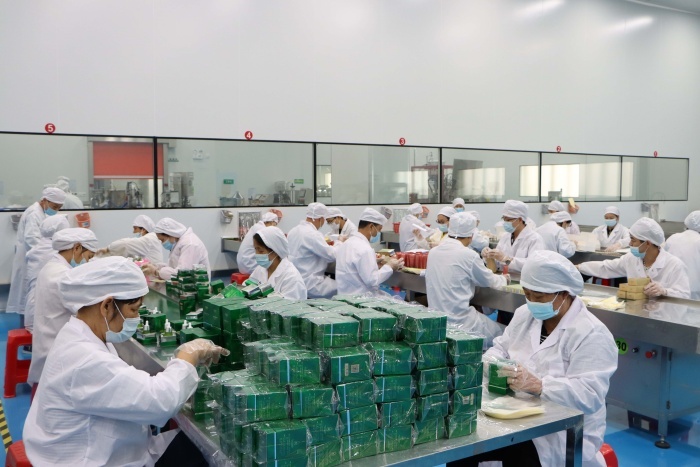
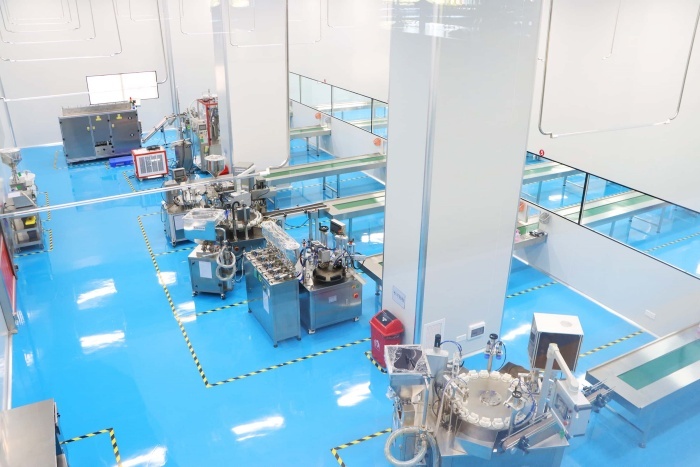
To put it simply: brands retain control over formulation, packaging, and marketing, while outsourcing production to contract manufacturers that operate large-scale facilities, employ state-of-the-art equipment, and maintain robust quality-control systems. This model enables brands to achieve production capacity and technological capabilities on par with global giants—without having to build their own factories or hire frontline manufacturing staff. According to the 2025 China Beauty Supply Chain Blue Book, more than 75% of emerging beauty brands currently rely on OEM/ODM services for cosmetics production, and the sector is projected to maintain a compound annual growth rate of over 15%.
II. OEM vs ODM
Many people confuse OEM with ODM, but the two are fundamentally different:
OEM: The formulation, trademark, and packaging copyrights all belong to the brand owner; the factory only provides contract manufacturing services.
ODM: Factories offer a “turnkey” service—covering everything from market research and formula development to design, prototyping, and full-scale production—so brand owners can simply affix their label and launch the product.
For example: If you want to launch a “Copper Peptide Repair Serum,” and you develop the formulation yourself, design the packaging yourself, and the manufacturer only handles the filling process, then this is cosmetic OEM manufacturing. On the other hand, if you simply select an existing copper peptide formulation from a manufacturer and can put your own logo on the product to have it ready for sale, then this falls under cosmetic ODM manufacturing.
III. When Selecting a Cosmetic OEM Manufacturer, Focus on These Five Key Metrics
1. Complete certification package: ISO 22716, GMPC, FDA, and SMETA are all mandatory; the absence of even one will result in an immediate failure.
2. R&D Depth: An R&D team of at least 30 members and the launch of at least 70 new products each year are essential to keep pace with market trends.
3. Production Flexibility: We accept small-batch orders with a minimum order quantity (MOQ) of no more than 10,000 bottles, helping start-up brands reduce trial-and-error costs.
4. Client endorsements: Having served top-tier international firms or the top 10 emerging domestic players—more case studies translate to greater stability.
5. Closed-loop testing: We have established in-house laboratories for microbial, heavy metal, and preservative challenge testing, and third-party test reports are provided with each shipment.
1. Lean, fast-paced asset-light growth: Cut costs on building factories, hiring staff, and purchasing equipment, and instead allocate your budget to content marketing and influencer-driven product seeding.
2. Technology Sharing: Leading OEMs hold exclusive patents, enabling brands to “share” cutting-edge ingredients and manufacturing processes and thereby shorten the R&D cycle.
3. Risk Hedging: The manufacturer assumes the risk of production compliance, while the brand focuses on the market side, enabling rapid pivoting in response to policy adjustments.
As competition in the cosmetics industry intensifies, OEM manufacturing has moved from behind the scenes to center stage. The company that secures a partner at the OEM end who boasts cutting-edge technology, flexible production capacity, and stringent quality control will be the first to establish a strong foothold in consumers’ minds. The next blockbuster homegrown brand success may well emerge from the very moment you shake hands with Mingyu Cosmetics Factory.
Cosmetic OEM contract manufacturing,Cosmetic OEM
Related News



Get a free customized solution immediately
Professional cosmetics OEM manager will tailor and provide a full range of contract manufacturing
Contact Information
-
Wealth Hotline:13902401468
-
Processing Hotline:13825199612
-
Business Contact Address: Room 416, Baiyun Shiguang, Baiyun District, Guangzhou
-
New Factory Address: Building 4, No. 19, Lixin 9th Road, Zengcheng District, Guangzhou
Follow Mingyu WeChat Official Account
©2024 Guangzhou Mingyu Cosmetics Manufacturing Co., Ltd. All rights reserved