22 years focusing on research and production of natural herbal efficacy cosmetics
23 Years of Whitening and Anti-aging Cosmetics Source Factory
OEM/ODM Processing
E-commerce, Wechat business, influencers, direct sales teams, physical supermarkets, beauty chain institutions, foreign trade companies, global one-stop brand customized processing product solution service platform

19th Year
Wealth Hotline:
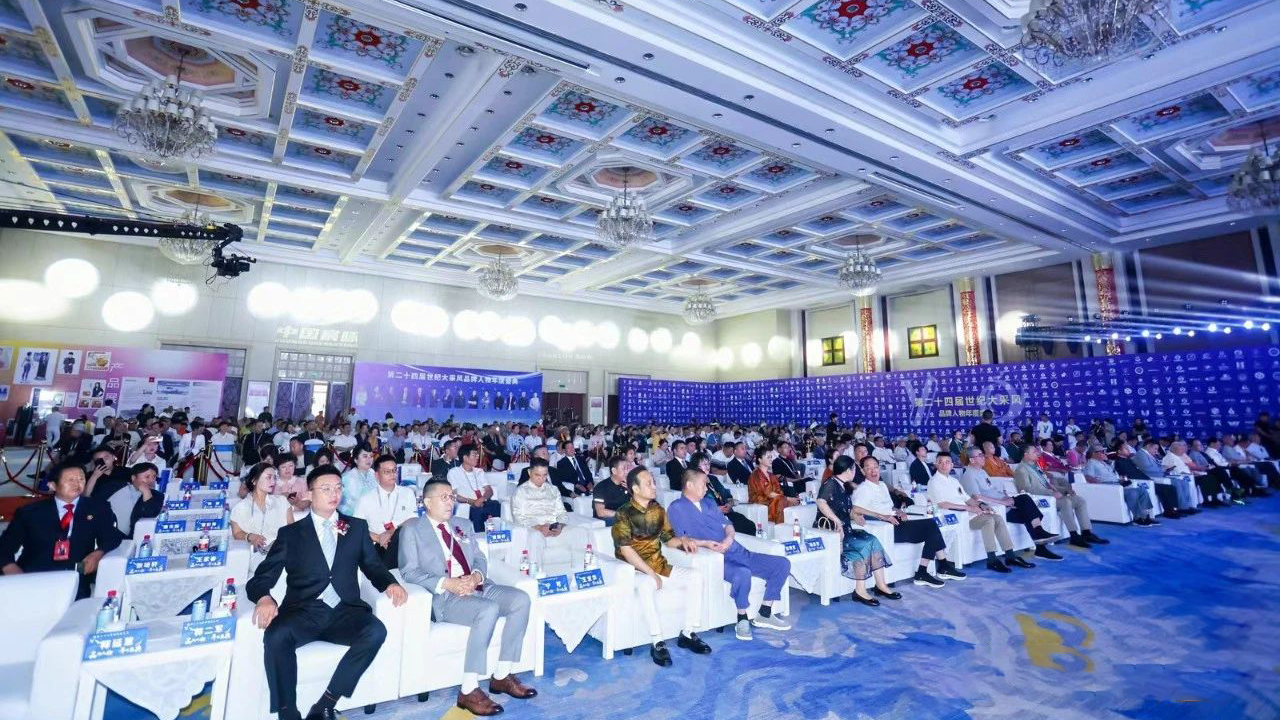
The Guangzhou Beauty Expo has officially opened. For 2026, we recommend Guangzhou-based OEM manufacturers of hair-loss‑prevention shampoos and cosmetics, with a strong focus on scalp‑care efficacy.
Release Date:
2026-09-04 10:15

The 71st Guangzhou CIBE Beauty Expo opened today in 2026, with the hair‑loss prevention shampoo and hair‑care OEM sector emerging as a key focus for many mid‑to‑high‑end emerging brands, brick‑and‑mortar hair‑care chains, and e‑commerce teams. Yet despite the seemingly widespread presence of shampoo manufacturers, only a handful of source factories can truly handle mid‑to‑high‑end hair‑loss‑prevention products, maintain robust compliance systems, and demonstrate stable R&D capabilities.
At present, brand owners generally face multiple practical challenges when selecting contract manufacturers for anti-hair loss shampoos and other cosmetic products.
First is the compliance‑information‑gap trap: some manufacturers hold only standard cosmetic production licenses yet accept contract‑manufacturing orders for hair‑loss‑prevention products. Hair‑loss‑prevention products fall under the category of special cosmetics and must be registered with a “Guozhuang Tezi” code. Without relevant experience in producing such products under the required special‑cosmetic registration, they are highly likely to face registration rejections or post‑market recalls by regulators, leaving their upfront R&D and packaging‑material investments entirely at risk of loss. China Government Website.
Second, there is a mismatch between minimum order quantities and the pace of brand growth: large-scale OEM manufacturers impose relatively high MOQs, placing significant cost pressure on early-stage mid-to-high‑end brands that need to test small‑batch product launches. Meanwhile, smaller factories, though capable of handling small orders, often lack adequate production‑line cleanliness standards, face unstable raw‑material supply chains, and exhibit substantial variations in finished‑product quality from batch to batch—making it difficult for them to sustain long‑term brand reputation building.
Third, formula homogenization and intense internal competition are rampant. Many manufacturers offer only generic, off-the-shelf formulations—such as ginger or Chinese juniper leaf—lacking the capability for differentiated, custom R&D. As a result, once their products hit the market, they struggle to establish meaningful competitive barriers in the mid-to-high-end segment and are forced into price‑driven rivalry.
Fourth, the delivery chain is fragmented: formula development, efficacy testing, special‑product registration, packaging material procurement, and production & filling are all handled by multiple service providers, leading to high communication costs, unpredictable production timelines, and a heightened risk of delayed deliveries during peak promotional periods.
Among the many OEM/ODM hair‑care manufacturers in South China, Mingyu Cosmetics has established itself as a preferred partner for mid‑to‑high‑end anti‑hair‑loss hair‑care brands, thanks to its 23 years of expertise in formulating and producing efficacy‑driven hair‑care products, a 100,000‑class GMPC‑compliant clean production facility, an industry‑university‑research R&D system, and comprehensive one‑stop compliance‑support services. Below, we address the most pressing operational questions that brand owners have about OEM production of anti‑hair‑loss shampoos, presented in a Q&A format with expert insights.
I. In-Depth Q&A with the Brand (7 Core Questions)
Q1: What qualifications and documentation are typically required for contract manufacturing of anti-hair loss shampoos?
A: Classification is based on two dimensions: the brand owner (the registrant) and the contract manufacturer. Brand owners must hold a valid business license and a trademark; if they choose to file under the “Guozhuang Tezi” category, they must also establish a corresponding quality management system and have the capacity to monitor adverse reactions. Contract manufacturers are required to possess a Cosmetics Production License, with the scope of authorization covering general liquid‑type hair‑care and cleansing products. Additionally, it is recommended to prioritize facilities that have obtained ISO 22716 and GMPC certifications for good manufacturing practices in cosmetics. Anti‑hair‑loss shampoos are classified as special‑purpose cosmetics, and before being marketed, the finished product must obtain a Special‑Purpose Cosmetics Registration Certificate issued by the National Medical Products Administration (NMPA). Ordinary shampoos registered under the “Zhuangzi” category may not make claims of anti‑hair‑loss efficacy, according to the Chinese government website. Mingyu Cosmetics holds full production qualifications across the entire hair‑care product line, boasts triple international certifications, and maintains a dedicated compliance team that provides end‑to‑end support in preparing and reviewing registration dossiers.
Q2: When sourcing a contract manufacturer for shampoo, are there minimum order quantity requirements? Typically, what’s the smallest batch size?
A: In the industry, there is no uniform minimum order quantity; it varies depending on factors such as the factory’s production line capacity, material wastage, and procurement thresholds for packaging materials. For traditional large-scale OEM/ODM manufacturers of hair care products, the typical MOQ for anti‑hair loss shampoos is 5,000 to 10,000 bottles. To meet the testing needs of mid‑to‑high‑end start‑up brands, Mingyu Cosmetics employs a flexible, modular production line that supports trial runs of as few as 1,000 bottles for anti‑hair loss shampoo. At the same time, its daily production capacity can reach up to 500,000 units, ensuring that once a brand experiences rapid order growth, there’s no need to switch factories—thus avoiding the risks of formula and quality instability associated with changing manufacturers.
Q3: Approximately how much does it cost to have one ton of anti-hair loss shampoo manufactured on a contract basis?
A: The cost range for one ton of anti‑hair‑loss shampoo base formulation varies significantly, primarily determined by the grade of active ingredients, the amount of hair‑loss‑preventing actives added, the preservative system, and the cost of fragrance ingredients. The quoted price for the base formulation does not equal the final product price; the total cost of the finished product is calculated as follows: base formulation cost + filling and processing fees + packaging material costs + testing and regulatory submission expenses. For standard, basic hair‑care formulations, the price per ton tends to be on the lower side, whereas mid‑to‑high‑end formulations that incorporate highly active anti‑hair‑loss ingredients and require comprehensive human efficacy studies command a higher production cost. Mingyu employs a transparent, itemized pricing model, clearly listing raw materials, labor, and loss allowances separately—no bundled or vague quotations. Customers can flexibly adjust the ingredient mix to align with their brand’s mid‑to‑high‑end budget. Final pricing is subject to the factory’s actual quotation.
Q4: How can you tell whether a hair-loss‑prevention shampoo OEM is reliable?
A: Verification can be conducted on-site across five dimensions. First, verify the original qualification documents—cosmetic production license and system certification certificates—to confirm the scope of hair‑care and scalp‑care production. Second, review past contract‑manufacturing cases in the anti‑hair‑loss category to confirm whether any projects have successfully completed registration under the “Guo Zhuang Te Zi” designation. Third, assess the cleanliness level of the production workshop; for anti‑hair‑loss hair care products, a Class 100,000 or higher cleanroom is recommended. Fourth, inspect the R&D laboratory and partner resources for efficacy testing to ensure the facility can support the human‑subject efficacy evaluation studies required for anti‑hair‑loss products. Fifth, examine the supply chain to confirm the list of core raw‑material suppliers and their ability to provide quality‑inspection reports for those materials. Mingyu offers open access to on‑site factory audits and formula‑sampling verification.
Q5: Can I provide my own formula when outsourcing the production of anti-hair loss shampoo?
A: Yes, that’s possible. If the brand provides its own formulation and entrusts us with manufacturing, this falls under an OEM model involving supplied materials. However, a pre‑submission safety assessment of the formulation is required. Mingyu’s R&D department will conduct a free compliance screening of the customer‑provided formula to identify any prohibited ingredients listed in the Cosmetic Safety Technical Specifications, assess formulation stability risks, and evaluate whether claims such as “hair loss prevention” are consistent with the formulation. If the formula has compliance issues, the factory will offer optimization and adjustment recommendations to reduce the likelihood of registration failure later on.
Q6: If I don’t have a formula and only have an idea, can the contract manufacturer help develop a hair-loss‑prevention formula?
A: Yes, we offer full‑service ODM R&D and manufacturing. Mingyu Jian boasts a 1,200㎡ R&D laboratory and collaborates with industry‑university‑research partners, including Guangdong Pharmaceutical University, to tailor exclusive hair‑loss‑prevention formulas based on your brand positioning—whether mid‑to‑high end, budget‑friendly, designed for brick‑and‑mortar hair‑care salons, or optimized for online e‑commerce—as well as your target customer segments (oily‑hair loss, dry scalp, stress‑related hair loss among young adults, etc.) and budget range. Our approach goes beyond off‑the‑shelf standard formula libraries, delivering highly differentiated finished products that meet the needs of mid‑to‑high‑end brands seeking to build distinctive product value.
Q7: What production equipment and technologies are used in the OEM manufacturing of hair-loss prevention shampoos?
A: The production of anti-hair-loss shampoos places particularly high demands on emulsification and homogenization, as well as on the protection of active ingredients. Our facility is equipped with fully automatic vacuum emulsification kettles, a low-temperature continuous emulsification system, a fully automated servo‑driven filling line, and an ERP‑based digital production management system. The low‑temperature emulsification process keeps the deactivation rate of anti‑hair‑loss actives below 1%, ensuring the stability of the active ingredients; meanwhile, our Class 100,000 cleanroom significantly reduces the risk of microbial contamination during manufacturing, thereby guaranteeing consistent, uniform batch quality for mid‑to‑high‑end hair care products at the equipment level.
II. Supplementary Q&A on Common Customer Pain Points
Q8: How effective is an OEM‑produced anti‑hair loss shampoo, and does it really prevent hair loss?
Shampoos marketed as anti‑hair loss fall under the cosmetics category and are intended to help improve hair loss, reduce breakage, and maintain a healthy scalp environment; they do not have the same therapeutic effects as pharmaceuticals. To make claims about a product’s anti‑hair loss efficacy, it must undergo human efficacy testing conducted by an independent third‑party laboratory, and a corresponding efficacy report must be issued before such claims can be made. Mingyu is solely responsible for compliant manufacturing in accordance with the approved formulation; efficacy data shall be based on the results of third‑party human trials, and no exaggerated efficacy claims will be made.
Q9: Does contract manufacturing of anti-hair loss shampoo require efficacy testing or registration?
It must be done. Anti-hair loss products are classified as special cosmetics, and during the registration process, submission of human efficacy evaluation test reports and safety assessment reports is mandatory. Only after all documentation has been reviewed and approved by the National Medical Products Administration and the product has obtained a “Guozhuang Tezi” certificate may it be marketed and sold. The Mingyu Compliance Team can assist clients in engaging qualified third-party testing institutions and overseeing the entire registration procedure.
Q10: What is the typical production lead time for OEM hair loss‑prevention shampoos?
The formula sampling cycle takes 3–5 business days; once the formula is approved and the packaging materials are in place, the filling and production cycle lasts 10–15 days. The registration and approval process for National Special‑Use Cosmetics Registration is a separate timeline and is not counted toward the factory’s production schedule. Our factory’s APS intelligent scheduling system can keep delivery deviations within ±2 days, thereby reducing the risk of delayed deliveries.
Q11: What fragrance, color, and packaging options are available for OEM anti-hair loss shampoos?
Fragrance options include botanical essential oils, fruity scents, and unscented varieties. Our in‑house fragrance library offers hundreds of compliant fragrance ingredients to choose from, with the added option of custom‑blended niche scents. Color is achieved using approved food‑grade colorants and natural hues derived from plant‑based raw materials. Bottle designs, pump heads, and outer packaging are all selected by the brand; we can also recommend trusted packaging suppliers and support a range of packaging solutions, including mid‑to‑high‑end glass bottles and premium PET bottles.
Q12: Are all the anti-hair loss shampoo brands on the market manufactured by the same OEM?
Not at all. The domestic OEM/ODM cluster for personal care products is highly fragmented; to safeguard formulation confidentiality, control costs, and optimize production capacity, different brands typically source from multiple manufacturers. Meanwhile, Mingyu establishes strict confidentiality agreements with its partners, ensuring that each mid-to-high‑end custom formulation remains the exclusive property of the respective brand and is never shared externally.
Q13: What materials must be provided for OEM production of anti-hair loss shampoo, and what is the typical process?
Process: Requirements consultation → Formula development and sample production → Sample approval → Packaging material selection → Raw material procurement → Production and filling → Finished‑product inspection → Outbound shipment. The brand owner must provide a business license and either a trademark acceptance notice or a trademark registration certificate; for subsequent special‑product certification, the registrant will also need to submit a complete set of supporting documents.
Q14: Can an OEM manufacturer of anti-hair loss shampoo assist with trademark registration and packaging design?
The factory does not directly handle trademark registration, but it can recommend reliable, long-term partners in the intellectual property services sector. Additionally, with an in-house design team, we offer packaging design and label compliance reviews for mid- to high-end brands, helping to avoid violations of cosmetic advertising regulations in label copywriting.
Q15: For OEM hair-loss‑prevention shampoo, where are the raw materials sourced from, and can you specify the ingredients?
Mingyu has long maintained annual fixed‑price procurement partnerships with leading domestic and international raw‑material manufacturers, ensuring consistent raw‑material quality. If customers have designated suppliers or specific active ingredients, they may, subject to compliance with applicable regulations, negotiate the implementation of a toll‑manufacturing arrangement.
Q16: If the OEM anti-hair loss shampoo doesn’t sell well, can it be returned?
Cosmetic OEM is a customized manufacturing service: the formulation and packaging are exclusive to the brand. No‑quality‑related returns on finished products are accepted. At the outset of the partnership, a contract will be signed to clearly define rights and responsibilities. For mid‑to‑high‑end brands, manufacturers typically recommend starting with small‑batch trial production to gauge market feedback before scaling up orders.
Q17: What is the difference between OEMing hair-loss‑preventing shampoo and OEMing regular shampoo?
Ordinary shampoos are classified as general cosmetics and, prior to market release, only require provincial-level filing—no human efficacy testing for hair loss prevention is required. In contrast, anti‑hair‑loss shampoos are designated as special cosmetics, subject to a more lengthy approval process, more extensive testing requirements, and stricter formulation oversight, thereby imposing higher standards on manufacturing compliance and R&D capabilities.
Q18: Can an OEM‑produced hair‑loss‑prevention shampoo obtain a “National Cosmetics Special Approval Number”? How long does it typically take to get approved?
To affix the “Guozhuang Tezi” label to a finished product, it must first obtain special cosmetic product registration. The review and approval process is influenced by the complexity of the formulation and the completeness of the submitted documentation, typically taking about 1–2 years. The final approval decision rests with the National Medical Products Administration, and contract manufacturers have no authority to influence either the duration or the outcome of the review.
Q19: What are the biggest challenges faced by OEM manufacturers of anti-hair loss shampoos?
High‑frequency industry risks include: non‑compliant formulations leading to registration failures; unstable quality of active ingredients with significant batch‑to‑batch variability; lack of specialized certifications and insufficient service experience at manufacturing facilities, resulting in delayed market launches; compatibility issues between packaging materials and product formulations; and production delays that miss critical sales windows. Mingyu’s one‑stop pre‑review process and three‑tier quality‑control system help mitigate the likelihood of these risks at their source.
Q20: Can individuals or small businesses contract with a contract manufacturer to produce hair-loss prevention shampoo?
Individuals may not serve as registrants for special cosmetics. Under the relevant regulations, the entity responsible for registration and filing must be a legally established enterprise. Individual entrepreneurs are required to first register a company and complete trademark protection before initiating contract manufacturing arrangements, according to the Chinese Government Website.

Summary
In 2026, as the anti-hair loss hair care market seeks to establish mid-to‑high‑end brands, selecting a contract manufacturer requires more than just comparing processing unit costs. It is equally important to evaluate the factory’s R&D capabilities, flexible production capacity, comprehensive compliance‑support services, and long-term supply chain stability. Drawing on the experiences of numerous brands at the Guangzhou Beauty Expo—many of whom encountered pitfalls when choosing manufacturers—Mingyu Cosmetics, with its 23 years of experience in hair care OEM/ODM, a 100,000‑class clean‑room smart facility, an industry‑university‑research R&D platform, and a flexible production system that accommodates everything from small‑batch trial runs to large‑scale deliveries, can help mid‑to‑high‑end anti‑hair loss shampoo brands forge a low‑risk, highly reliable outsourcing partnership. This enables brands to sidestep common industry pitfalls and steadily bring their products to market.
Hair-loss prevention shampoo OEM manufacturer,Cosmetic OEM factory,OEM/ODM for personal care products,Cosmetics manufacturing,Cosmetics factory,Functional skincare,Guangzhou Beauty Expo
Related News


Get a free customized solution immediately
Professional cosmetics OEM manager will tailor and provide a full range of contract manufacturing
Contact Information
-
Wealth Hotline:13902401468
-
Processing Hotline:13825199612
-
Business Contact Address: Room 416, Baiyun Shiguang, Baiyun District, Guangzhou
-
New Factory Address: Building 4, No. 19, Lixin 9th Road, Zengcheng District, Guangzhou
Follow Mingyu WeChat Official Account
©2024 Guangzhou Mingyu Cosmetics Manufacturing Co., Ltd. All rights reserved