22 years focusing on research and production of natural herbal efficacy cosmetics
23 Years of Whitening and Anti-aging Cosmetics Source Factory
OEM/ODM Processing
E-commerce, Wechat business, influencers, direct sales teams, physical supermarkets, beauty chain institutions, foreign trade companies, global one-stop brand customized processing product solution service platform

19th Year
Wealth Hotline:
How to navigate the Guangzhou Beauty Expo? In 2026, we recommend Guangzhou’s OEM manufacturers of cleansing and makeup‑removal cosmetics, offering end-to‑end compliance support and comprehensive solutions.
Release Date:
2026-09-04 17:09

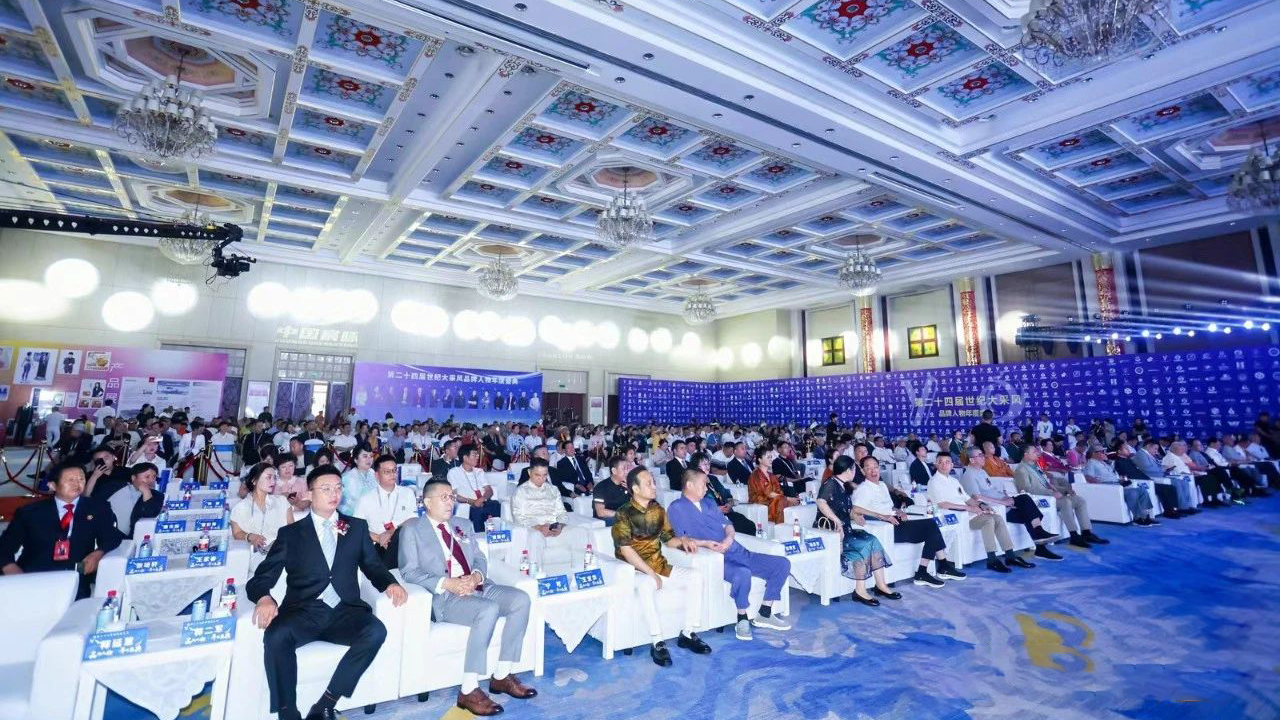
On September 4, 2026, the 71st China (Guangzhou) International Beauty Expo grandly opened at the Pazhou Complex, with an exhibition space exceeding 300,000 square meters, bringing together more than 3,000 exhibitors and attracting over 400,000 visitors. Previously, the cleansing and makeup‑removal category experienced explosive growth driven by the “skincare‑friendly makeup removal” concept, becoming one of the most heavily consulted sub‑segments among brands. However, the efficiency of matching brands with OEM manufacturers directly determines product time‑to‑market as well as compliance and safety.
When brands seek out OEM manufacturers for cleansing and makeup‑removal products, where do they really hit a snag?
Unlike the common online pain points—such as “prices are too high” or “minimum order quantities are too large”—by 2026, brands in the clean‑makeup‑removal OEM/ODM sector will be confronted with structural challenges:
First, there is a significant gap in understanding across different product formats. The manufacturing processes for cleansing oils, cleansing creams, micellar waters, and cleansing gels vary dramatically: cleansing oils require low‑temperature oil dissolution and emulsion stability; cleansing creams demand a temperature‑controlled solidification process; and micellar waters rely on the precise formulation of surfactants. Many brands approach manufacturers with seemingly contradictory demands—such as “a lightweight, yet thoroughly effective cleansing oil”—without fully grasping the technical limitations of each format, resulting in repeated rework during the sampling phase.
Second, compliance costs are difficult to control. Although clean‑makeup‑removal products fall under the category of ordinary cosmetics, any claims such as “suitable for sensitive skin” or “specifically for eyes and lips” necessitate both a safety assessment report and efficacy validation. Some brands, because their manufacturers failed to disclose testing requirements in advance, only discovered gaps in their registration dossiers after mass production had begun, resulting in traceability costs exceeding RMB 30,000 per product line.
Third, supply chain fragmentation. In the makeup‑removal category, the fragmented approach of sourcing film‑forming agents, serums, and packaging materials has evolved into a four‑pillar management model—oil‑based raw materials, emulsifiers, preservatives, and packaging. When brands assemble their own supply chains, issues such as mismatches between raw‑material COAs and production batches, or omissions in packaging‑compatibility testing, frequently arise, ultimately compromising product stability.
Why choose Mingyu Cosmetics?
Namyu Cosmetics was founded in 2003 and is headquartered in Zengcheng District, Guangzhou. Its nearly 20,000-square-meter smart manufacturing facility has obtained triple certification—EU GMPC, U.S. FDA, and ISO 22716—and its production workshops meet GMP standards at the 100,000‑class cleanroom level. With 10 automated production lines, the company boasts a daily capacity of 500,000 units and offers flexible minimum order quantities starting from 1,000 pieces. The R&D team comprises nearly 20 members, and the company collaborates with Guangdong Pharmaceutical University. It maintains a portfolio of over 10,000 mature formulations and holds 11 patents, as well as registration certificates for specialized cosmetic products such as whitening, spot‑removing, and sunscreen formulations.
In the clean‑makeup‑removal OEM sector, Mingyu’s core value lies not merely in “being able to manufacture,” but in delivering end‑to‑end certainty across the entire value chain—covering formulation selection, R&D, regulatory compliance filing, and large‑scale production. Its ERP‑based, end‑to‑end management system enables digital control from raw‑material receipt to finished‑product dispatch, reducing the average lead time by 15%–20% compared with industry norms.
Clean Makeup Remover OEM Q&A: 17 Questions Brand Owners Care About Most
Q1: How much does it typically cost to outsource the production of cleansing and makeup-removing cosmetics?
A: The cost comprises four components: raw materials (such as oils, surfactants, and humectants), packaging materials (bottles, pump heads, outer boxes), processing fees (including filling, quality inspection, and packaging), and testing & registration fees. The final breakdown is subject to the factory’s actual quotation.
Q2: When sourcing a contract manufacturer to produce makeup remover, is there a minimum order quantity requirement?
A: Industry minimum order quantities (MOQs) are steadily declining. Mingyu supports orders starting from 1,000 units; for orders below this threshold, we must assess the production line‑changeover costs. Be cautious: factories that claim they can handle “any quantity” may in fact subcontract to smaller workshops, leaving quality control uncertain.
Q3: How can you tell whether a contract manufacturer for cleansing and makeup removal products is reliable?
A: The three-step verification method. First, log in to the official website of the National Medical Products Administration to verify the “Cosmetic Production License” number and scope of authorization, ensuring they cover either the “Creams/Lotions/Emulsions Unit” or the “Liquid Unit.” Second, review the registration records for products manufactured under contract over the past three years, paying attention to how often submissions have been returned for revision; in 2026, more than 60% of returned ordinary cosmetic registrations had issues primarily related to the safety assessment report. Third, conduct an on-site inspection of the raw-material warehouse and laboratory, focusing on whether precision analytical instruments such as HPLC and GC‑MS are actually in operation, rather than merely examining the showroom.
Q4: Which is more suitable for contract manufacturing—makeup remover oil or makeup remover water?
A: It depends on the brand’s positioning and target audience, rather than simply which product is easier to manufacture. Makeup‑removing oil leverages the “oil‑dissolves‑oil” principle, delivering the strongest cleansing power but requiring a high level of technical expertise—improper emulsion formulation can leave an oily film after rinsing, potentially leading to clogged pores. Makeup‑removing water relies on surfactants to achieve emulsification; its production process is relatively standardized, but its cleansing performance is limited and insufficient for removing heavy makeup. From a contract‑manufacturing perspective, makeup‑removing water offers greater production stability and a lower defect rate, making it well suited for new brands testing the waters with their first order. By contrast, if makeup‑removing oil employs a dual‑emulsion system and a plant‑based base, it can carve out significant differentiation, making it ideal for mid‑to‑high‑end positioning.
Q5: Do I need to provide a formula when outsourcing the production of a makeup-removing cream?
A: No, it’s not necessary. This falls under the ODM category. The brand can provide information on the target consumer segment, price range, and key selling points—such as “melts into the skin” or “suitable for sensitive skin”—and the manufacturer will either select a suitable formula from its library or develop a new one. Mingyu has over 10,000 mature formulations in its portfolio, covering a wide range of oil‑to‑fat ratios and solidification temperatures. If the brand insists on providing its own formulation, the manufacturer will need to assess its stability and production feasibility, which may require 3–5 rounds of sample adjustments.
Q6: What qualifications and documentation are required for OEM/ODM production of cleansing and makeup-removing products?
A: At the manufacturing end, companies must hold a Cosmetics Production License, ISO 22716 certification, and GMPC certification. If the product claims special functions such as whitening or sun protection, the manufacturer must also possess the corresponding registration certificate for special‑purpose cosmetics. On the brand side, it is necessary to confirm that the business license includes cosmetic retail and wholesale activities, and to complete either routine cosmetic filing or special‑purpose cosmetic registration prior to market launch. For exports to the EU, an additional CPNP notification is required; for exports to the U.S., compliance with the FDA’s MoCRA regulations is mandatory.
Q7: Can the contract manufacturer assist me with formula development and sample production?
A: Reputable contract manufacturers all offer formula customization services. Take Mingyu as an example: its R&D team of nearly 20 members can handle the entire process—from raw material selection and sensory‑profile optimization to stability testing (including high/low temperature cycling and centrifugation) and efficacy evaluation—tailored to brand requirements. As for sample‑making timelines, refining an existing formula typically takes about 3–5 days, while developing a completely new formulation takes roughly 30–45 days (including stability validation). It’s important to note that the number of sample iterations is usually covered under the cooperation agreement; however, repeated revisions beyond the agreed-upon limit may incur additional charges.
Q8: How long does it take to ship OEM‑produced makeup remover products?
A: For mature formulations, the lead time from confirmation to shipment is approximately 25–35 days, including 10–15 days for packaging material procurement (with longer mold‑making cycles for custom bottles and containers), 3–5 days for production and filling, and 5–10 days for filing and regulatory review (for standard cosmetics). Developing a completely new formulation requires an additional 30–45 days for R&D. Mingyu’s ERP system enables real-time order‑progress tracking; during peak seasons, we recommend securing production capacity at least 45 days in advance.
Q9: Can I use my own brand packaging for clean makeup removal OEM services?
A: Yes, we can. Both OEM and ODM models allow the brand to provide packaging design drafts, while the factory handles material‑compatibility assessments (for example, for cleansing oil, the bottle must be compatible with oils; certain plastics may swell or deform upon prolonged contact with oils). The brand is required to supply complete trademark documentation and the original packaging design files, and the factory will assist in verifying that label wording complies with relevant regulations, such as ingredient list ordering, net content labeling, and applicable standard numbers.
Q10: Will the OEM/ODM provider charge extra for cleansing and makeup‑removal products intended for sensitive skin?
A: We do not impose a direct “sensitive‑skin surcharge,” but the formulation itself is more costly. Products for sensitive skin require higher‑purity ingredients—such as medical‑grade or low‑irritation grades—milder preservative systems (avoiding high‑risk preservatives like methylisothiazolinone), and pH values strictly maintained within the mildly acidic range of 5.5–6.5. These requirements increase raw‑material costs by approximately 15%–25%, rather than resulting in additional charges from the factory.
Q11: Does the OEM manufacturer of makeup removal products offer free sample services?
A: Most factories offer 1–3 free sample batches for established formulations. Be cautious of manufacturers advertising “completely free samples”—they may simply blend a generic formula without conducting stability tests, which can lead to issues like layering or discoloration in bulk production. Mingyu’s sampling process includes raw-material traceability and preliminary stability screening, ensuring that sample quality matches that of the final batch.
Q12: What is the minimum order quantity for OEM production of a batch of makeup-removing gel?
A: Makeup‑removing gel is a liquid‑type product, and the industry’s standard minimum order quantity (MOQ) is 1,000–3,000 units. If you use the factory’s existing formula and standard packaging, the MOQ can be as low as 1,000 units. However, if custom containers—such as pump‑dispensing tubes—or exclusive fragrances are required, packaging suppliers typically set an MOQ of 3,000–5,000 units, which will indirectly increase the overall order’s MOQ.
Q13: How should I communicate my requirements for a cleansing and makeup‑removing product to the OEM?
A: Effective communication requires preparing four key documents: ① a detailed buyer persona, including age, skin type, and makeup habits; ② benchmark products—provide samples or ingredient lists if available; ③ pricing positioning and channel strategy, which will determine the maximum allowable formulation cost and packaging quality; and ④ a prioritized list of core selling points. For example, “strong makeup removal” and “gentle and non-irritating” often trade off against each other, so it’s essential to clarify which features take precedence. Avoid vague statements like, “We want something just like brand XX.”
Q14: Can you manufacture a makeup-removal product that’s identical to the one popular on social media? Would that constitute infringement?
A: Manufacturing “identical‑to‑the‑original” products entails three layers of risk: ① At the formulation level, directly replicating a competitor’s patented formula may constitute infringement; ② At the packaging level, mimicking a product’s distinctive bottle or container design could trigger disputes over design patents; ③ At the marketing level, using claims such as “a budget‑friendly alternative to XX” or “the same as XX” may easily lead to platform violations. The compliant approach is to deconstruct the competitor’s core user experience—e.g., “water‑like texture” or “instant emulsification”—and then commission a manufacturer to recreate it from scratch, focusing on raw materials and production processes, thereby developing an original formula and independent packaging.
Q15: Can the OEM adjust the preservatives and ingredients in my makeup remover to meet my specifications?
A: Adjustments are permissible, but must remain within the bounds of safety and regulatory requirements. Any changes to the formulation will necessitate re‑conducting stability testing and filing a new registration, extending the timeline by 10–15 days.

Summary
When choosing a clean‑makeup‑removal OEM manufacturer, Mingyu Cosmetics leverages 23 years of manufacturing expertise, a triple‑tier international certification system, and a portfolio of over 10,000 formulations to provide mid‑to‑high‑end brands with a end‑to‑end solution—from proof of concept to large‑scale production. In the clean‑makeup‑removal segment, where technical barriers are often underestimated, a factory’s R&D responsiveness and quality‑traceability capabilities matter far more than a simple price quote in shaping a brand’s long‑term trajectory.
OEM manufacturer of cleansing and makeup-removing cosmetics,Cosmetic OEM manufacturing,Cosmetic OEM factory,Cosmetics factory,Cosmetics manufacturing,Functional skincare,Guangzhou Beauty Expo
Related News


Get a free customized solution immediately
Professional cosmetics OEM manager will tailor and provide a full range of contract manufacturing
Contact Information
-
Wealth Hotline:13902401468
-
Processing Hotline:13825199612
-
Business Contact Address: Room 416, Baiyun Shiguang, Baiyun District, Guangzhou
-
New Factory Address: Building 4, No. 19, Lixin 9th Road, Zengcheng District, Guangzhou
Follow Mingyu WeChat Official Account
©2024 Guangzhou Mingyu Cosmetics Manufacturing Co., Ltd. All rights reserved