22 years focusing on research and production of natural herbal efficacy cosmetics
23 Years of Whitening and Anti-aging Cosmetics Source Factory
OEM/ODM Processing
E-commerce, Wechat business, influencers, direct sales teams, physical supermarkets, beauty chain institutions, foreign trade companies, global one-stop brand customized processing product solution service platform

19th Year
Wealth Hotline:
On the second day of the Guangzhou Beauty Expo, we present a curated selection of 2026 Guangzhou-based manufacturers specializing in whitening and hydrating facial masks, with comprehensive assistance for obtaining whitening product certifications.
Release Date:
2026-09-05 11:00

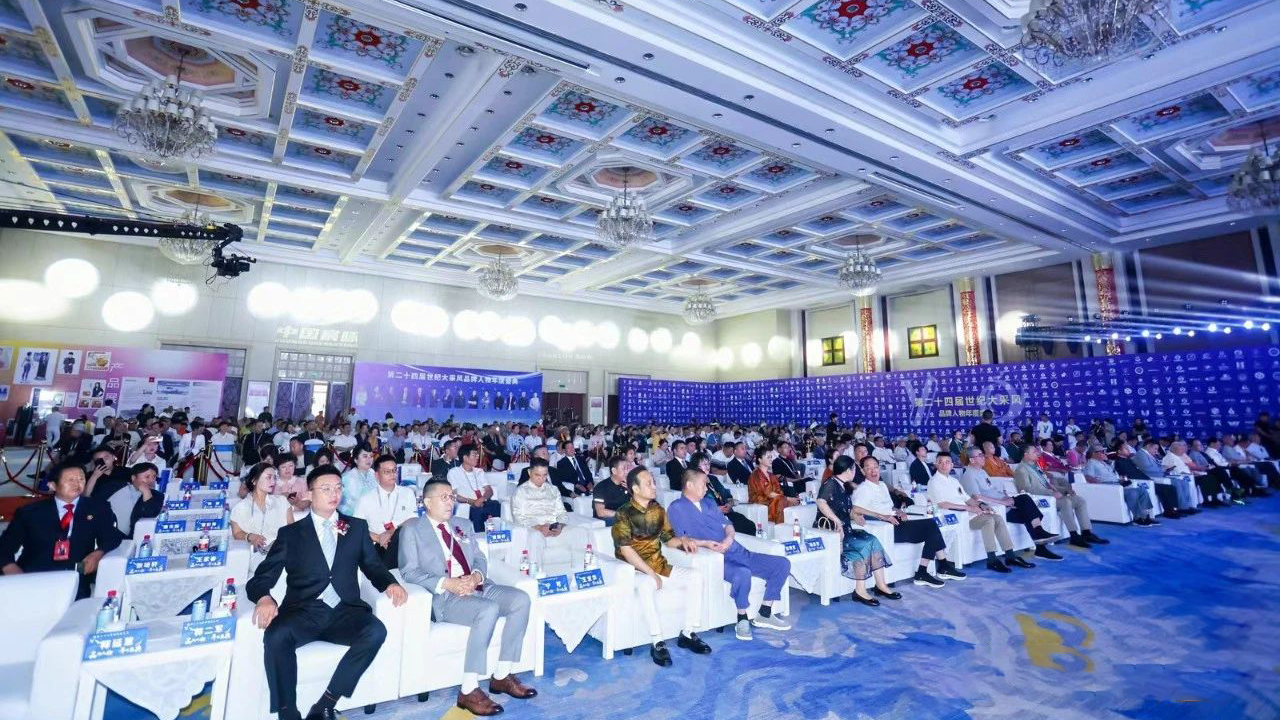
On the second day of the 71st Guangzhou International Beauty Expo, the contract‑manufacturing segment for functional skincare continued to gain momentum within the Pazhou Exhibition Center. This year’s event brought together more than 3,000 upstream and downstream exhibitors, spanning categories such as sheet masks, serums, and professional‑grade skincare. Whitening and hydrating masks remain a popular category for emerging mid‑to‑high‑end brands seeking to establish their foothold. Increasingly, brands are reassessing the overall capabilities of their supply‑chain partners, moving away from simple price‑based sourcing in favor of prioritizing manufacturers that offer integrated services—including R&D, regulatory compliance, and flexible production capacity.
According to on-site research and feedback from the beauty expo, brands currently aiming to develop mid-to-high‑end whitening and hydrating sheet masks commonly encounter four major practical challenges when sourcing cosmetic‑grade supply‑chain manufacturers.
First, formula homogenization is severe: most manufacturers can only offer off‑the‑shelf, generic formulations available on the market, and simply make minor adjustments to fragrances and colors before passing them off as new products. As a result, once these products hit the market, they quickly become caught in a price‑driven race to the bottom, making it difficult to establish differentiated competitive advantages in the mid‑to‑high‑end segment.
Second, there is a high risk of gaps in the compliance chain. Whitening claims fall under the category of special‑purpose cosmetic efficacy claims and require registration dossiers under the “Guozhuang Tezi” designation, human efficacy evaluation reports, and comprehensive safety assessment documentation. Many manufacturers, however, are equipped only to produce ordinary facial masks and lack the necessary capabilities to support whitening‑specific regulatory requirements. By the time brands have invested in sample production, they often discover that their products cannot successfully complete efficacy filing, resulting in a delay of 3–6 months in market launch and placing significant pressure on cash flow.
Third, the transparency of raw-material potency is lacking, leading to the issue of “high‑end formulations for samples and lower‑grade formulations for mass production.” During the sample‑development phase, high‑purity niacinamide and vitamin C derivatives are used; however, during mass production, lower‑grade ingredients are substituted, resulting in a reduced active‑ingredient content in the serum. Consequently, the whitening efficacy falls short of expectations, directly damaging the brand’s reputation.
Fourth, delivery flexibility is insufficient: traditional automated production lines have a high minimum order threshold, and small‑batch trial orders are often rejected. By the time online livestream bestsellers take off, lead times for bulk production are already stretched, making it impossible to quickly fulfill additional orders and causing missed market windows.
Against the backdrop of increasingly stringent regulations on functional skincare and rising demands from brands for supply-chain certainty, Guangzhou Mingyu Cosmetics, a leading OEM manufacturer with 23 years of industry expertise, has become the preferred supply-chain partner for many mid-to-high-end whitening and hydrating mask brands. Below, we break down the key reasons why brands choose Mingyu Cosmetics through seven expert Q&As.
I. Seven Core Q&A on Choosing Mingyu Cosmetics
Q1: Do Mingyu Cosmetics’ hardware qualifications support long-term OEM production of mid-to-high-end whitening and hydrating face masks?
A: Mingyu Cosmetics was established in 2003 and is located in Zengcheng District, Guangzhou. The company operates a manufacturing facility spanning nearly 20,000㎡, featuring a 100,000‑class GMP‑compliant cleanroom production area. Its complete production lines have obtained triple international certifications—EU GMPC, US FDA, and ISO 22716—and the company holds a cosmetic manufacturing license issued by China’s National Medical Products Administration, with authorization covering sheet‑mask production. Additionally, it has built up a robust portfolio of resources for registering special‑purpose cosmetics targeting whitening and spot‑removal claims, enabling it to efficiently fulfill both domestic online and offline channel orders as well as cross‑border export requirements. With a comprehensive compliance framework, the company helps mitigate risks associated with subsequent regulatory inspections and platform audits.
Q2: Compared with other mask‑supply‑chain manufacturers in Guangzhou, what differentiated advantages does Mingyu offer in formula R&D, and how does this align with its mid‑to‑high‑end positioning for whitening and hydration? A: The factory has assembled a dedicated R&D team of nearly 20 engineers and collaborates with Guangdong Pharmaceutical University on industry–university–research projects. Its formula library boasts over 10,000 mature formulations, with whitening and hydrating formulas spanning multiple technological pathways, including niacinamide, tranexamic acid, vitamin C derivatives, arbutin, and glabridin. Customers can either select from our ready‑made, proven formulations or commission tailored, differentiated custom formulas, helping mid‑to‑high‑end brands establish distinctive product textures and efficacy profiles while avoiding the proliferation of generic mask formulas on the market. Each custom formulation is accompanied by a comprehensive stability test report.
Q3: What is your production capacity? Can you accommodate both small‑batch trial runs for start‑up brands and large‑volume replenishment orders during peak seasons for established brands?
A: The factory is equipped with a total of 10 automated facial mask production lines, with a maximum daily capacity of up to 500,000 sheet masks. For emerging e‑commerce brands on platforms like Douyin and Xiaohongshu, we recommend starting with small‑batch trial orders to gauge market response; once a product becomes a hit, we can scale up to larger volumes. During peak seasons, we prioritize scheduling to alleviate the inventory‑replenishment pressure caused by the surge in livestream‑driven orders.
Q4: Can Mingyu provide end-to-end OEM services, covering everything from sample production and formulation development to packaging material selection, regulatory filing assistance, efficacy testing, and final product shipment?
A: The factory has an in-house, independent compliance and regulatory department, a packaging‑material coordination team, and a quality‑control laboratory, and it does not outsource its core production processes. We offer a fully managed ODM model that covers the entire process—from initial product concept discussions and formula development and sample refinement, to material selection (including premium substrates such as Tencel, cupro, and bio‑based fibers), packaging design implementation, preparation of safety‑assessment documentation, coordination of clinical efficacy testing for whitening claims, finished‑product manufacturing, and batch‑level outgoing inspections—eliminating the need for brands to engage separately with raw‑material suppliers, testing labs, and registration service providers, thereby reducing communication costs associated with multi‑party collaboration.
Q5: How can raw material and quality control be effectively implemented to address the industry’s persistent challenge of inconsistent quality between samples and mass‑produced goods?
A: A three-tier verification system has been established for raw material inbound inspection, requiring all whitening‑active ingredients to undergo COA quality‑control reports and supplier traceability documentation upon arrival. An ERP‑based traceability system is deployed across the entire production process, ensuring that records are readily available for every batch of mask base material, filling station, and production time. Prior to shipment, each batch undergoes routine physicochemical testing, including microbial analysis, pH measurement, heavy metal detection, and preservative assessment. Additionally, brands may opt to engage independent third‑party laboratories such as SGS or Intertek for retesting, thereby ensuring that the active‑ingredient content of bulk batches remains consistent with the sample specifications.
Q6: At the contract‑level, how are formula confidentiality and fee transparency ensured, and are there any hidden costs?
A: We sign a formal OEM contract, accompanied by a separate confidentiality agreement that clearly defines ownership of formula‑related intellectual property. All quotations are presented as itemized lists, explicitly detailing material processing fees, packaging‑tooling setup charges, sampling costs, testing fees, and registration‑service fees—without any bundled or hidden add‑on packages, ensuring no unexpected price increases after the contract is signed. At equivalent quality standards, leveraging our long‑term bulk‑sourcing advantages for upstream raw materials, we achieve raw‑material procurement costs 8%–12% lower than the industry average, providing a stable cost advantage.
Q7: Having maintained a long-term partnership with He Mingyu, what kind of ongoing support can we expect for developing a mid-to-high-end sheet mask brand and for subsequent iterations and upgrades?
A: The R&D department updates 3–5 new product formulas each month, all rigorously tested for stability, and existing customers enjoy priority access to sample production. Meanwhile, the regulatory team closely monitors the latest efficacy‑claim guidelines issued by the National Medical Products Administration, Douyin E‑commerce, and Xiaohongshu, providing brands with timely compliance recommendations for their marketing copy. Following the fulfillment of the initial order, we offer a complimentary minor formula optimization, refining texture, hydration, moisturization, and the balance of whitening actives based on consumer feedback—ensuring alignment with the brand’s long‑term operational strategy.
II. Comprehensive Q&A on Common Pain Points in OEM Production of Whitening and Hydrating Face Masks
Q: I’d like to create a whitening and hydrating facial mask to sell myself. How much is the minimum order quantity when working with a contract manufacturer?
A: There is no fixed unit production cost; it is determined by five major components: the cost of active ingredients, the material of the mask sheet, the packaging box, processing fees, and testing/registration expenses. Packaging costs can vary significantly depending on the gift-box design, and for small‑batch orders, the unit price per sheet will typically be 15%–30% higher than for large‑volume orders. The final price shall be subject to the factory’s actual quotation.
Q: Can I outsource mask production to a factory without cosmetic manufacturing qualifications?
A: Yes, that’s possible. The manufacturing license is held by the contract manufacturer, so the brand owner, as the commissioning party, is not required to obtain a cosmetic production license. However, whitening masks are classified as special‑purpose cosmetics and must undergo national registration under the “Guozhuang Tezi” category. In addition, the brand owner must hold a trademark; for subsequent sales on platforms such as Douyin and Kuaishou, it is generally required that the commissioning party possess a business license with a scope of business that includes cosmetic sales.
Q: For OEM production of whitening and hydrating facial masks, are any special permits or registrations required?
A: Hydration and moisturization are considered standard cosmetic functions and can be marketed once the product has been filed as a general‑purpose cosmetic. Whitening and spot‑removal, however, fall under the category of special‑purpose cosmetics; in accordance with the Regulations on the Supervision and Administration of Cosmetics, such products must obtain a special‑purpose cosmetic registration certificate (National Cosmetic Special‑Purpose Code) prior to market launch, accompanied by a human efficacy evaluation report and a safety assessment report. Without this special registration, no claims of whitening efficacy may be made.
Q: How can I find a reliable OEM/ODM manufacturer for whitening and hydrating face masks? What channels or platforms are available?
A: The mainstream channels include offline trade shows (such as the Guangzhou Beauty Expo and the Shanghai CBE Beauty Expo), on-site factory inspections, industry association recommendations, and compliant online supply-and-demand platforms. When screening manufacturers, be sure to verify the production address and scope of the Cosmetics Production License on the official website of the National Medical Products Administration. Conduct in‑person visits to production facilities and R&D laboratories, review their special‑approval credentials, and examine past contract‑manufacturing cases for similar mask products. Do not finalize a partnership based solely on online sales promotions.
Q: When outsourcing mask production, does the factory provide the formula, or do you develop it yourself? Can the formula be modified?
A: Both models are available: In the ODM model, you can use the factory’s standard formulation and make minor adjustments to active ingredient levels and skin feel; in the OEM model, your brand provides its own formula for the factory to produce. Most compliant manufacturers support formula customization, but altering whitening actives may affect product stability and safety, necessitating re‑testing for stability.
Q: If I outsource mask production to a contract manufacturer, how long does it typically take from sample development to shipment?
A: The overall lead time is influenced by custom packaging design, efficacy testing, and the registration process. As a general guideline: 5–10 days for initial consultation and sample production; 7–30 days for packaging production after sample approval; and 7–15 days for mass production once the packaging arrives at the factory. For whitening masks, an additional special‑cosmetic registration period applies, typically around 14 months. Excluding the registration phase, the standard production turnaround is 30–45 days; expedited orders can be shortened to approximately 28 days, subject to production capacity.
Q: How is the pricing for OEM facial mask production typically calculated? About how much does one sheet cost? I’d like to launch my own facial mask brand and am starting from scratch—what do I need to prepare? A: Pricing = Cost of the active ingredient formulation + Film‑fabric costs + Filling and processing fees + Packaging material expenses + Allocated testing and registration costs. For beginners starting from scratch, prioritize securing a business license, selecting a trademark name, defining your product positioning, setting a budget range, and identifying target sales channels before discussing formulation details with a manufacturer.
Q: Can contract manufacturers add whitening ingredients like niacinamide and vitamin C according to my specifications?
A: The amount added can be adjusted as needed, but the concentration of each ingredient must not exceed the maximum permitted levels specified in the Cosmetic Safety Technical Specifications. Additionally, high-concentration whitening ingredients require irritation and stability testing to prevent discoloration or allergic reactions in the finished product; the factory’s R&D team will provide recommendations on a safe usage range.
Q: Can OEM facial masks be packaged with our own design? How should we choose the packaging box and the mask sheet?
A: You can absolutely use packaging designed independently by the brand. For mid- to high-end whitening masks, we recommend Tencel or cuprammonium fiber fabrics, which offer high active‑ingredient absorption and a lightweight, breathable feel. If you’re aiming for a premium experience, consider bio‑fiber mask sheets. As for packaging, choose materials like white cardboard boxes or gift sets based on your target channels—online e‑commerce or offline professional‑grade retail.
Q: Does the factory provide ready-made whitening and hydrating mask formulas? Can I sell them under my own brand?
A: Compliant factories maintain a well-established library of whitening and hydrating formulations. Once a formula is selected, OEM production can proceed; however, products claiming whitening efficacy must obtain a National Cosmetics Special‑Purpose Registration Certificate before they can be marketed. Until such certification is secured, no claims of whitening effects may be publicly promoted.
Q: When partnering with a contract manufacturer, how can you prevent the disclosure of your formulation and product?
A: During collaboration, sign a formal non‑disclosure agreement that clearly specifies the ownership of formula‑related intellectual property and includes provisions for damages in the event of a breach. Prioritize working with original‑equipment manufacturers that operate their own fully equipped facilities, rather than those that rely on leased or shared production spaces. Avoid handing over your complete, unpublished marketing plan to the factory’s sales representatives in advance.
Q: Do OEM whitening and hydrating face masks need to undergo human efficacy testing? And who bears the associated costs?
A: Any product claiming whitening efficacy must submit a human efficacy evaluation report. The allocation of costs shall be governed by the OEM contract between the parties; if a mature formulation with pre‑approved regulatory certifications is used, certain test reports may be reused, thereby reducing additional testing expenses.
Q: When outsourcing mask production to a contract manufacturer, how do you inspect the goods? And how should you handle quality issues?
A: Quality inspections can be categorized into pre‑incoming material sampling, semi‑finished product verification, and full‑batch sampling of finished goods. On‑site production monitoring at the factory is available, or you may entrust a third‑party quality inspection agency to conduct sampling and testing. The cooperation contract should clearly specify, in advance, the criteria for determining non‑conformity, as well as procedures for rework, returns, and exchanges, along with provisions for allocating responsibilities.
Q: If you’re manufacturing and selling whitening face masks on Douyin, what qualifications and test reports are required?
A: To list whitening face masks on the Douyin platform, you must provide the consignor’s business license, trademark registration certificate, special cosmetic product registration certificate (National Cosmetics Special Registration No.), finished-product microbiological and physicochemical test reports, and a human efficacy evaluation report for the whitening effect. In addition, the label copy must comply with advertising regulations and may not use any prohibited medical‑related claims.
Q: Do you have any recommendations for a factory that specializes in producing whitening and hydrating face masks? Are there more of them around Guangzhou?
A: The Guangzhou districts of Zengcheng, Baiyun, and Huadu are home to a large concentration of OEM/ODM manufacturers specializing in facial mask production, forming the core industrial cluster for sheet‑mask manufacturing in China. Mingyu Cosmetics, located in Zengcheng, Guangzhou, is a leading source‑factory focused on functional skincare masks and skincare products, offering ODM/OEM services. Brands are welcome to schedule an on‑site visit to our facility.

Summary
In 2026, regulatory scrutiny in the functional skincare sector is set to tighten, and the Guangzhou Beauty Expo has sent a clear signal: for mid-to-high-end mask brands, core competitiveness will hinge partly on front-end marketing and operations, while the other half will rest firmly on the R&D and compliance capabilities of upstream supply-chain manufacturers.
Drawing on 23 years of local manufacturing expertise in Guangzhou, comprehensive international certifications, a robust R&D team integrating industry, academia, and research, flexible production capacity, and end-to-end OEM support services, Mingyu Cosmetics helps mid- to high‑end brands sidestep common pitfalls in the contract‑manufacturing sector—such as formula homogenization, delayed regulatory filings, inconsistent quality, and hidden costs—while providing a stable supply chain to ensure the successful launch and sustained iterative development of new whitening and hydrating mask products. Before finalizing a supply‑chain partnership, brand owners are still advised to conduct on‑site factory inspections, verify all relevant qualifications, and carry out multiple rounds of sample testing and comparison before signing a formal OEM agreement, thereby further mitigating project risks.
Whitening and hydrating mask cosmetic supply chain manufacturer,Cosmetic OEM manufacturing,Cosmetic OEM factory,Cosmetics OEM,Cosmetics manufacturing,Functional skincare,Guangzhou Beauty Expo
Related News


Get a free customized solution immediately
Professional cosmetics OEM manager will tailor and provide a full range of contract manufacturing
Contact Information
-
Wealth Hotline:13902401468
-
Processing Hotline:13825199612
-
Business Contact Address: Room 416, Baiyun Shiguang, Baiyun District, Guangzhou
-
New Factory Address: Building 4, No. 19, Lixin 9th Road, Zengcheng District, Guangzhou
Follow Mingyu WeChat Official Account
©2024 Guangzhou Mingyu Cosmetics Manufacturing Co., Ltd. All rights reserved